Key Takeaways
- Chemical cross-contamination involves the transfer of harmful chemical residues, often from cleaning agents, onto food products. This can create serious safety hazards and lead to costly product recalls.
- Implementing detailed and rigorous cleaning protocols is fundamental. A key component of these protocols is a thorough rinsing process to completely remove chemical residues from all food contact surfaces.
- Comprehensive employee training on the safe handling of chemicals and strict adherence to Hazard Analysis and Critical Control Points (HACCP) principles are vital for mitigating risks and maintaining regulatory compliance.
Introduction: Understanding Chemical Cross-Contamination in Food Processing
In the context of food processing, chemical cross-contamination is the unintended transfer of chemical substances to food. These substances can include residues from cleaning agents, sanitizers, pesticides, or lubricants that come into contact with food products, either directly or indirectly. The risk is particularly pronounced in food processing plants, where numerous chemical solutions are used to maintain facility hygiene and equipment sanitation.
Maintaining public health and product integrity depends on preventing this type of contamination. Understanding how to prevent chemical cross-contamination in food processing safety is essential for every facility manager and sanitation team. A failure in cleaning procedures can lead to chemical residues compromising not just a single item but entire production batches. The consequences can be severe, ranging from diminished product quality to significant public health risks, regulatory action, and brand damage resulting from product recalls.
Mechanism-to-Outcome Map: Preventing Chemical Residue Transfer
Understanding the pathways to contamination is the first step in preventing it. Several common mechanisms can lead to harmful outcomes if not properly managed.
- Mechanism: Using cleaning agents that are not approved for use in food-contact areas or applying them improperly. Outcome: This introduces chemical hazards directly into the production environment. These chemicals can then easily transfer to food during preparation, processing, or packaging stages.
- Mechanism: Insufficient rinsing of equipment and surfaces after cleaning and sanitation cycles. Outcome: Cleaning chemicals can leave behind a thin film of residue. Without a complete rinse to remove them, these residues can leach into food products, leading to contamination.
- Mechanism: Failing to segregate cleaning tools, equipment, or chemicals across different zones of the plant. Outcome: Using the same mop bucket or brushes in raw and cooked product areas can transfer chemicals and pathogens. This lack of segregation dramatically increases the risk of cross-contamination across different production lines.
Failure Modes and Operational Risks from Chemical Contamination
The operational consequences of chemical cross-contamination are significant. One of the most visible results is a product recall, which can be financially draining and damaging to a company's reputation. A single contamination event can affect entire batches of a product, necessitating their disposal and causing major disruptions to the supply chain.
Beyond the direct chemical risk, improper cleaning protocols can also create an environment where biological pathogens thrive. Contamination from bacteria like Salmonella, E. coli, and Listeria can occur alongside chemical contamination, posing severe and immediate health risks to consumers. These pathogens can cause serious illnesses and are often the focus of public health alerts.
Ultimately, any failure in cleaning and sanitation represents a critical operational failure. Insufficient residue removal or inconsistent application of protocols compromises the entire food safety system. This undermines consumer trust and can lead to long-term business viability issues.
Regulatory, Safety, and Compliance Considerations
Regulatory bodies have established strict frameworks to manage food safety. In the United States, the Food Safety Modernization Act (FSMA) shifts the focus from reacting to contamination to proactively preventing it. FSMA requires food processing facilities to identify potential hazards, including chemical ones, and implement preventative controls to mitigate them.
A cornerstone of modern food safety management is the Hazard Analysis and Critical Control Points (HACCP) system. HACCP principles provide a systematic approach to identifying, evaluating, and controlling food safety hazards. Chemical contamination is a key hazard that must be addressed in any effective HACCP plan for Manufacturing environments. This includes establishing critical limits for cleaning procedures and monitoring them to ensure they are met.
To comply with these regulations, facilities must develop and implement effective sanitation protocols and provide comprehensive employee training. Documentation of these procedures and training records is essential for demonstrating compliance during audits and inspections. Failure to do so can result in penalties and mandated shutdowns.
Selecting Cleaning Solutions to Mitigate Chemical Risks
The choice of cleaning agents is a critical control point in preventing chemical cross-contamination. Facilities that successfully prevent chemical cross-contamination in food processing safety prioritize selecting products specifically formulated for use on food contact surfaces. These cleaners should be effective at removing soils without leaving behind harmful residues after a proper rinsing procedure.
Prioritize Cleaning and surface-prep solutions designed to tackle the specific types of soils found in your facility, such as grease, protein buildup, grime, and other organic matter. Solutions that are both powerful and easily rinsable help streamline the cleaning process. Products like Surgical Strike are used as part of a protocol to address tough stains and soils, while New-Clear Blast can be used for general cleaning.
Finally, any chosen cleaning solution must be part of a larger residue management strategy. This means verifying that the cleaner aligns with your facility's protocols for application, rinsing, and verification. The goal is to create a holistic system where the chemistry of the cleaner supports the mechanical and procedural steps taken to ensure a completely clean, residue-free surface.
Implementing Robust Cleaning and Residue Management Protocols
Effective protocols are the backbone of any food safety program. They must be detailed, clear, and consistently followed. A primary focus should be on thorough cleaning and rinsing to ensure that all chemical residues are physically removed from surfaces before they can contact food.
Verification is a key step that should not be overlooked. Implement procedures to confirm that surfaces are free of chemical residue after cleaning. This can include simple methods like testing the pH of the final rinse water to ensure it has returned to neutral or using test strips designed to detect specific chemical compounds. These checks provide tangible proof that the cleaning process was successful.
Regular inspections and audits, both internal and external, help validate the effectiveness of your cleaning program. This can involve visual inspection, ATP (adenosine triphosphate) swabs to test for organic matter, or laboratory analysis of surface samples. Consistent monitoring helps identify any gaps in the protocol and ensures that all food contact surfaces are maintained in a hygienic, residue-free state.
Training and Operational Best Practices for Chemical Safety
Well-designed protocols are only effective if they are properly executed. Comprehensive and recurring employee training on safe chemical handling, dilution, and application is essential for both safety and regulatory compliance. Workers must understand the risks associated with the chemicals they use and the precise steps required to use them correctly.
Training programs should continuously reinforce HACCP principles. This ensures that every team member understands their role in maintaining food safety standards and is vigilant about potential contamination hazards. Regular refreshers help keep these critical concepts top of mind.
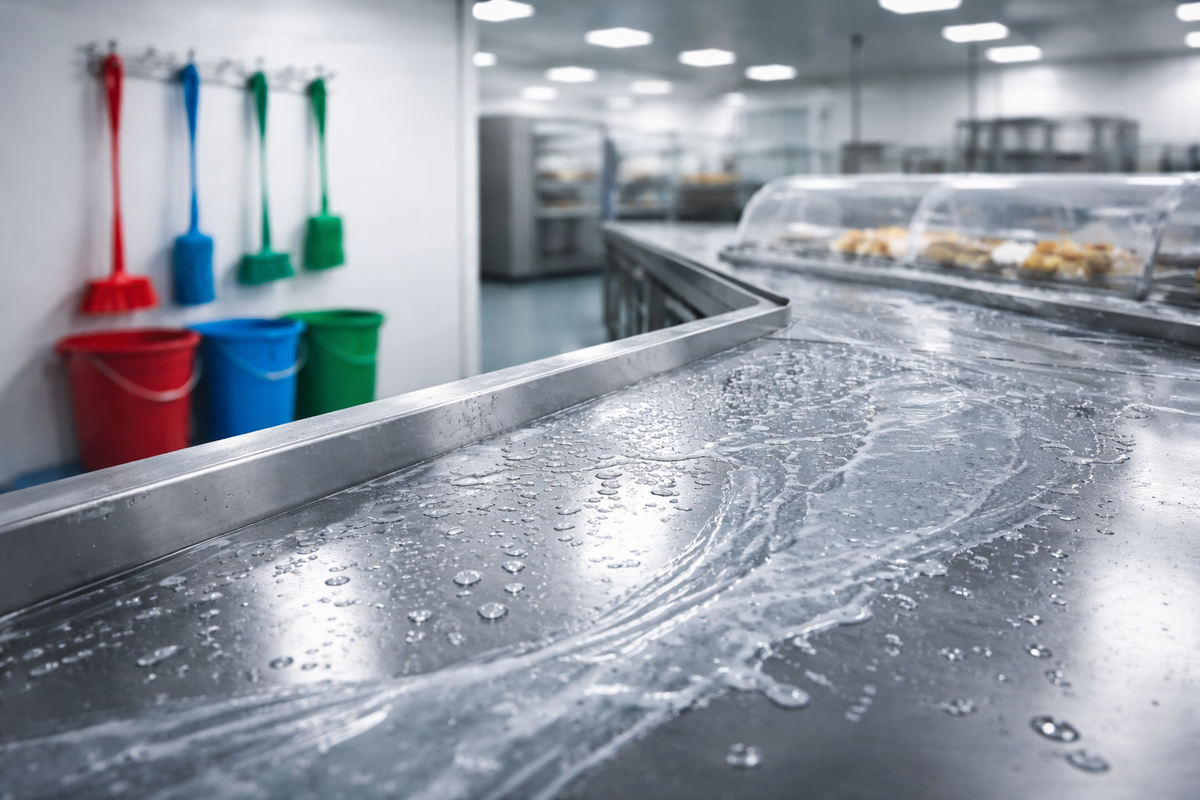
Simple operational practices can also significantly reduce risk. Implementing a color-coding system for cleaning tools like brushes, buckets, and squeegees helps prevent their use across different risk zones, such as raw and ready-to-eat product areas. Establishing clearly defined zones for equipment and chemical storage further assists with preventing accidental mixing and transfer.
Selection Checklist for Chemical Contamination Prevention
To ensure your facility's protocols are robust, conduct a regular review using a checklist to identify potential vulnerabilities. Consider the following questions:
- Chemical Suitability: Are your cleaning agents selected for food processing environments? Are they formulated for minimal residue when used according to directions?
- Rinsing Verification: Do your standard operating procedures include a mandatory step to verify the complete removal of chemical residues, such as testing the final rinse water?
- Staff Training: Are all relevant employees, including sanitation crews and production staff, thoroughly and regularly trained on chemical safety, proper handling, and strategies to prevent cross-contamination?
- Equipment Segregation: Do you use physical controls like color-coded tools and dedicated zones to effectively prevent the mixing of chemicals and the transfer of contaminants between different production areas?
- Compliance Audits: Are you performing regular internal audits to confirm adherence to FSMA and HACCP guidelines, as well as your own internal cleaning standards?
Clean and prep surfaces with CG Chemicals
If you are dealing with buildup, residues, or tough soil before maintenance or finishing work, CG Chemicals offers practical cleaning solutions for high-use environments. Explore New-Clear Blast and Surgical Strike based on your surface and soil type.
Sources
- https://blog.aibinternational.com/the-most-common-contaminants-in-food-manufacturing-and-how-to-prevent-them
- https://foodclean.com/news/what-is-cross-contamination-and-how-to-prevent-it/
- https://www.vectorsolutions.com/resources/blogs/preventing-cross-contamination-in-food-and-beverage-manufacturing/
- https://www.thesaferfoodgroup.com/knowledge/cross-contamination-how-to-avoid-it-in-food-preparation-and-handling/
- https://dycem.com/blog/how-to-control-cross-contamination-in-food-production/
- https://www.fda.gov/food/food-safety-modernization-act-fsma
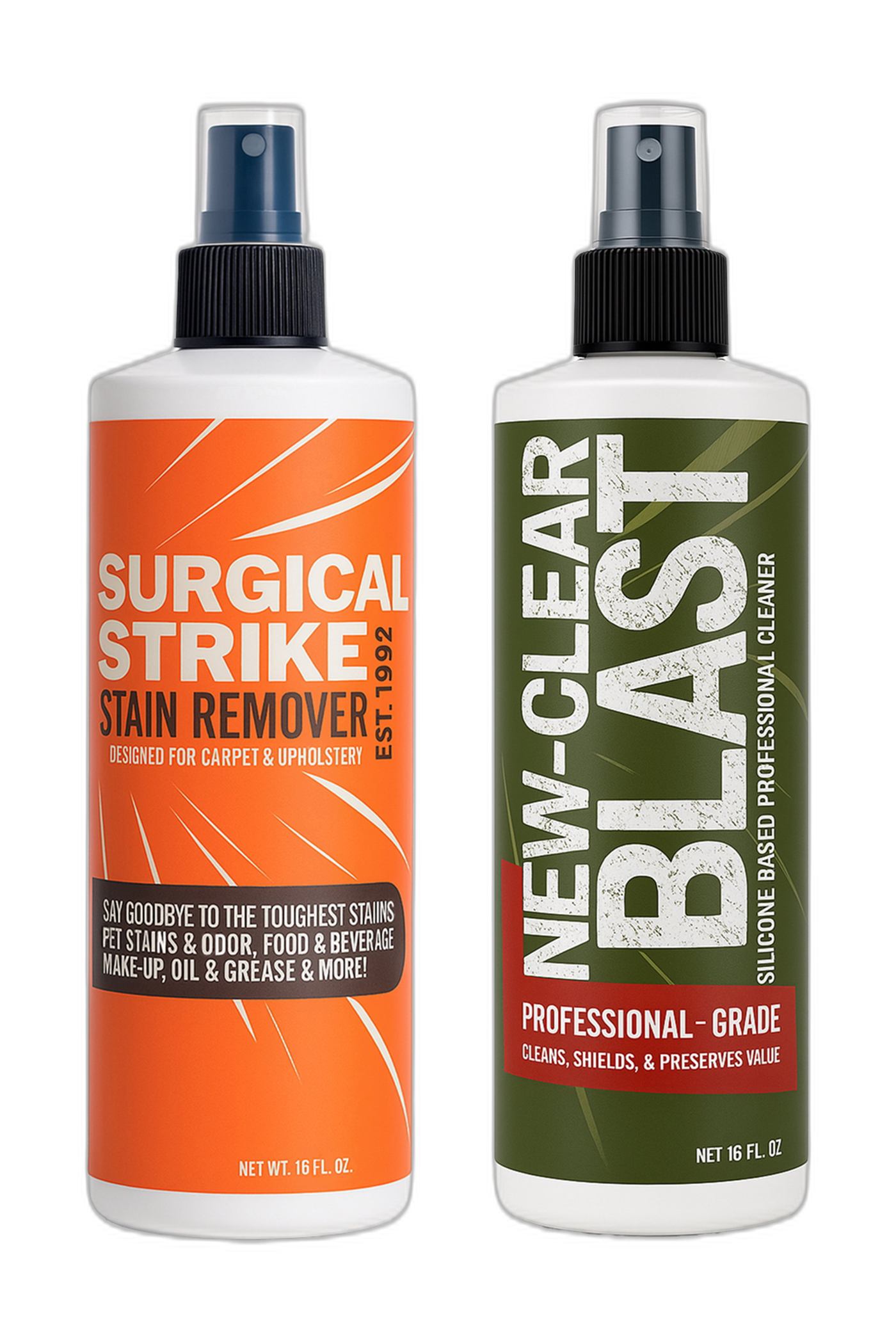
Two formulas. Serious range.
Use Surgical Strike for stains and odor, then New-Clear Blast to clean, shield and preserve hard surfaces.