Introduction: The Critical Role of Cleaning in EV Battery Production
The global shift toward electric vehicles (EVs) has created unprecedented demand on battery manufacturing. As production scales, maintaining the absolute integrity of every component is not just a quality control measure; it is a fundamental requirement for vehicle safety and performance. The surfaces of battery components, from casings to electrodes, must be meticulously prepared to ensure proper function and longevity.
Recent industry analysis indicates that inconsistencies in manufacturing processes, including cleaning and surface preparation, have led to significant operational challenges. Supply chain disruptions related to EV battery manufacturing quality control have increased in recent years. This highlights a critical vulnerability where seemingly minor contaminants can lead to major production delays and field failures.
Effective cleaning is the bedrock of reliable EV battery production. It is not a secondary janitorial task but a primary engineering process that prevents defects, supports adhesion of subsequent layers, and ensures the long-term reliability of the final assembly. Establishing robust and sustainable cleaning protocols is essential for any manufacturer aiming for excellence in this competitive market.
Key Takeaways for EV Battery Manufacturing
For procurement managers, engineers, and facility operators in the EV battery sector, understanding the nuances of sustainable cleaning is crucial. The following points summarize the most important considerations for maintaining process integrity and meeting industry demands.
- Contamination Control: Using eco-friendly cleaning chemicals is vital for preventing residue that can compromise battery component integrity. Even microscopic films left by improper cleaners can lead to electrical shorts or degradation over time.
- Environmental and Safety Compliance: Implementing sustainable cleaning practices helps manufacturers reduce their environmental footprint. This aligns with broader corporate sustainability goals and helps meet increasingly stringent automotive safety and environmental regulations.
- Surface Preparation for Assembly: Precision cleaning is a non-negotiable step for preparing surfaces for subsequent processes like coating, bonding, or welding. This is especially true in cleanroom environments where particulate matter must be strictly controlled.
- Process Optimization: Advanced chemical management and cleaning protocols help optimize manufacturing processes. By minimizing defects and rework caused by contamination, facilities can support overall quality control and throughput.
Regulatory, Safety, or Compliance Considerations for EV Battery Cleaning
The EV battery manufacturing industry is governed by a framework of standards designed to ensure product safety, reliability, and interoperability. Adherence to these standards is not optional; it is fundamental to market access and risk management. For cleaning processes, these regulations provide clear guidance on acceptable chemistries and procedural controls.
A key document is SAE J2451, which offers recommended practices for the cleaning of electric vehicle battery assemblies. This standard details critical requirements for chemical selection and process validation to ensure that cleaning agents do not harm sensitive components or leave behind conductive or corrosive residues.
The stakes for compliance are high. Contamination and inadequate cleaning during manufacturing are recognized contributors to battery failures. These failures can range from reduced performance to catastrophic thermal events. By adopting appropriate chemistries and validating cleaning processes against standards like SAE J2451, manufacturers can directly address a major cause of product failure and liability.
Failure Modes and Operational Risks in Battery Production
Contamination is a primary antagonist in the story of EV battery production. Foreign object debris (FOD), chemical residues, and particulates introduced during manufacturing are leading causes of battery failure, directly compromising long-term safety and performance. These contaminants can create pathways for electrical shorts, initiate corrosion, or interfere with the electrochemical processes within the cells.
Inadequate cleaning processes are a major source of this contamination. Solvents that are not fully removed or cleaners that leave behind ionic residues can degrade battery components over time, leading to latent defects that only appear after the vehicle is in service. Contamination originating in the factory is a recognized contributor to battery failures.
These individual component failures translate into significant operational and supply chain risks. Poor quality control tied to cleaning inconsistencies has been identified as a contributor to the rise in EV battery supply chain disruptions. Each production batch rejected for contamination represents lost time, wasted materials, and a potential delay in meeting contractual obligations.
Mechanism-to-Outcome Map: Cleaning for Battery Integrity
Understanding the direct link between specific cleaning actions and manufacturing outcomes is key to process control. The following map clarifies how strategic cleaning practices lead to improved battery integrity and operational efficiency.
- Mechanism: Implementing precision cleaning protocols with controlled, compatible chemistries for effective residue removal.
- Outcome: This prevents surface contamination that can compromise the integrity and safety of EV battery components. The result is a significant reduction in failures attributed to manufacturing-induced contaminants.
- Mechanism: Shifting to eco-friendly cleaning solutions and sustainable processes that minimize volatile organic compounds (VOCs) and hazardous waste.
- Outcome: This practice reduces the overall environmental impact of the automotive manufacturing supply chain. It also helps manufacturers comply with evolving sustainability regulations and corporate responsibility mandates.
- Mechanism: Rigorously adhering to the cleaning recommendations specified in industry standards such as SAE J2451.
- Outcome:This ensures that appropriate chemistries are used, supporting the creation of optimal surface conditions required for high-quality battery assembly and reliable long-term performance.
Precision Cleaning and Cleanroom Technology in EV Battery Assembly
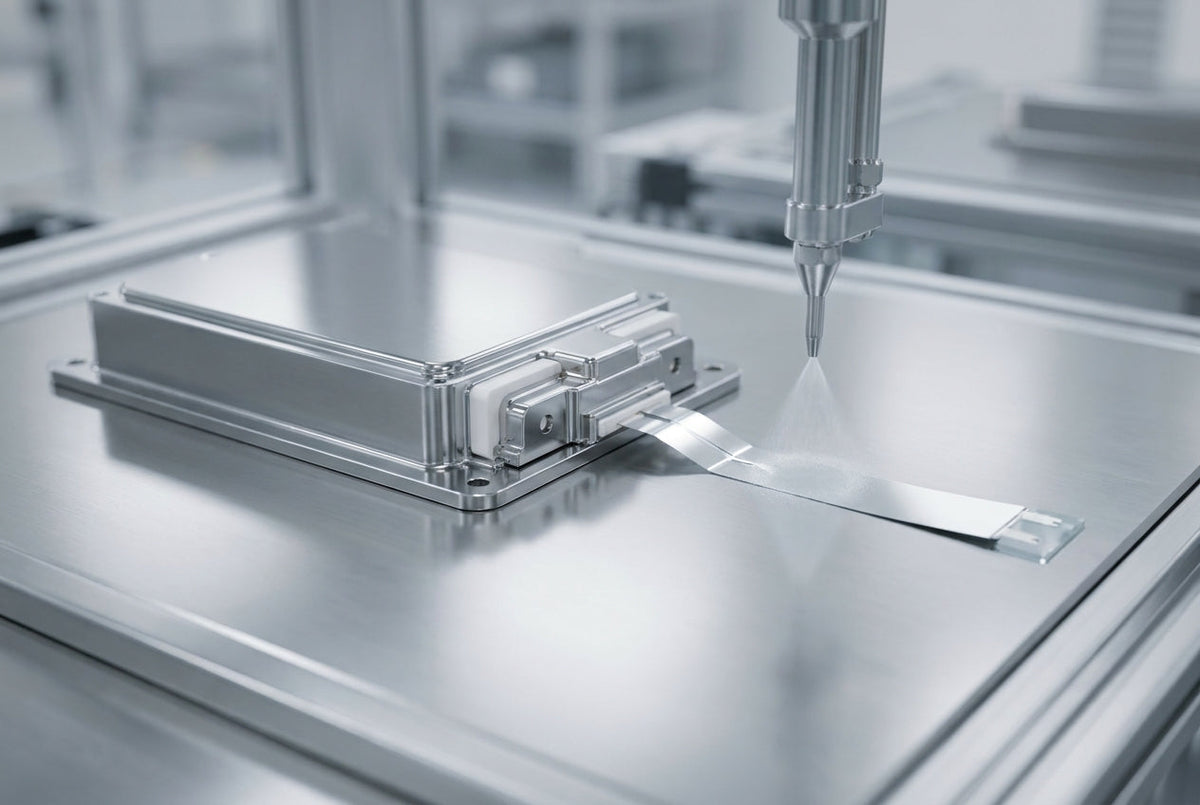
In the context of EV battery assembly, precision cleaning refers to a highly controlled process designed to remove contaminants at a microscopic level. This is far beyond simple degreasing; it is about achieving a specified level of surface cleanliness required for subsequent high-tech processes within a Manufacturing environment. These processes are essential for preparing surfaces for bonding, welding, and application of functional coatings.
The effectiveness of precision cleaning is heavily dependent on the use of controlled chemistries. These solutions must be powerful enough to remove oils, particulates, and other soils without altering the substrate material itself. In cleanroom settings, these cleaners must also meet stringent standards for low particle generation and outgassing.
Ultimately, this level of surface preparation is critical for the long-term safety and performance of EV battery components. A properly prepared surface ensures strong adhesion and electrical contact, preventing delamination or resistance buildup that could lead to failure. By optimizing cleaning procedures, manufacturers can support overall process efficiency and bolster quality control in their advanced assembly lines.
Adopting Sustainable Cleaning Practices for Reduced Environmental Impact
The automotive sector is undergoing a profound shift toward sustainability, a trend that extends deep into the supply chain. Integrating sustainable cleaning practices is a key part of reducing the environmental impact of EV battery manufacturing. This involves moving away from traditional, harsh solvents toward more environmentally responsible solutions.
Eco-friendly cleaning chemistries are formulated to effectively remove tough industrial contaminants without introducing hazardous materials into the workplace or the waste stream. These solutions are designed to be compatible with sensitive battery components while using fewer harsh chemicals. This approach is a core component of responsible chemical management.
These practices align perfectly with broader industry trends focused on building more resilient and sustainable supply chains. As automakers and regulators place greater emphasis on the lifecycle impact of their products, suppliers who proactively adopt greener processes will hold a competitive advantage. Sustainable cleaning is not just about compliance; it is about optimizing manufacturing processes to minimize waste and build a more efficient, responsible operation.
Selecting Cleaning Solutions: A Procurement Checklist
Choosing the right cleaning solution is a critical decision that impacts quality, safety, and compliance. Procurement and engineering teams should use a structured approach to evaluate potential products. The following checklist provides a framework for making an informed choice for EV battery manufacturing environments.
- Compatibility: The primary consideration is whether the cleaning solution is compatible with all materials it will contact, including metals, plastics, and elastomers used in battery components. An incompatible cleaner can cause corrosion, embrittlement, or surface degradation.
- Residue Profile: Select solutions specifically formulated to leave minimal or no residue. Any film left behind can interfere with welding, bonding, or electrical conductivity, compromising component integrity.
- Handling Profile: Prioritize eco-friendly chemistries to reduce worker exposure and minimize environmental impact. Review Safety Data Sheets (SDS) to understand handling requirements and disposal procedures.
- Performance: The solution must be effective against the specific contaminants present in your manufacturing environment, such as machining oils, drawing compounds, fingerprints, and particulate matter. Efficacy should be validated through testing.
- Compliance: Verify that the cleaning solution and the process in which it is used can meet the requirements of relevant industry standards, such as SAE J2451 for automotive battery assemblies.
Conclusion: Advancing EV Battery Manufacturing Through Optimized Cleaning
The integrity, safety, and performance of electric vehicle batteries are inextricably linked to the quality of cleaning and surface preparation during their manufacture. What was once viewed as a simple preparatory step is now correctly understood as a critical process control point that directly impacts product reliability and operational efficiency.
Adopting sustainable, precision cleaning methods is essential for modern production. By adhering to industry standards like SAE J2451 and implementing robust quality controls, manufacturers can mitigate a significant source of product failure. Strategic chemical management not only helps ensure compliance but also supports the long-term reliability of electric vehicles and strengthens the overall supply chain.
Clean and prep surfaces with CG Chemicals
If you are dealing with buildup, residues, or tough soil before maintenance or finishing work, CG Chemicals offers practical cleaning solutions for high-use environments. Explore New-Clear Blast and Surgical Strike based on your surface and soil type.
When using any cleaning solution, always follow label directions. Use with adequate ventilation and avoid contact with eyes and prolonged skin contact. Keep out of reach of children.
Sources
- https://www2.deloitte.com/us/en/insights/focus/industry-outlook/2023/automotive-sector-supply-chain-report.html
- https://www.sae.org/standards/content/j2451_202109/
- https://www.iariajournals.org/systems_and_measurements/sysmea_v8_n34_2015_paged.pdf
- https://peerreviewcongress.org/uploads/attachments/drll4xkdlqts55my246uxl28-program-pdf-2025.pdf
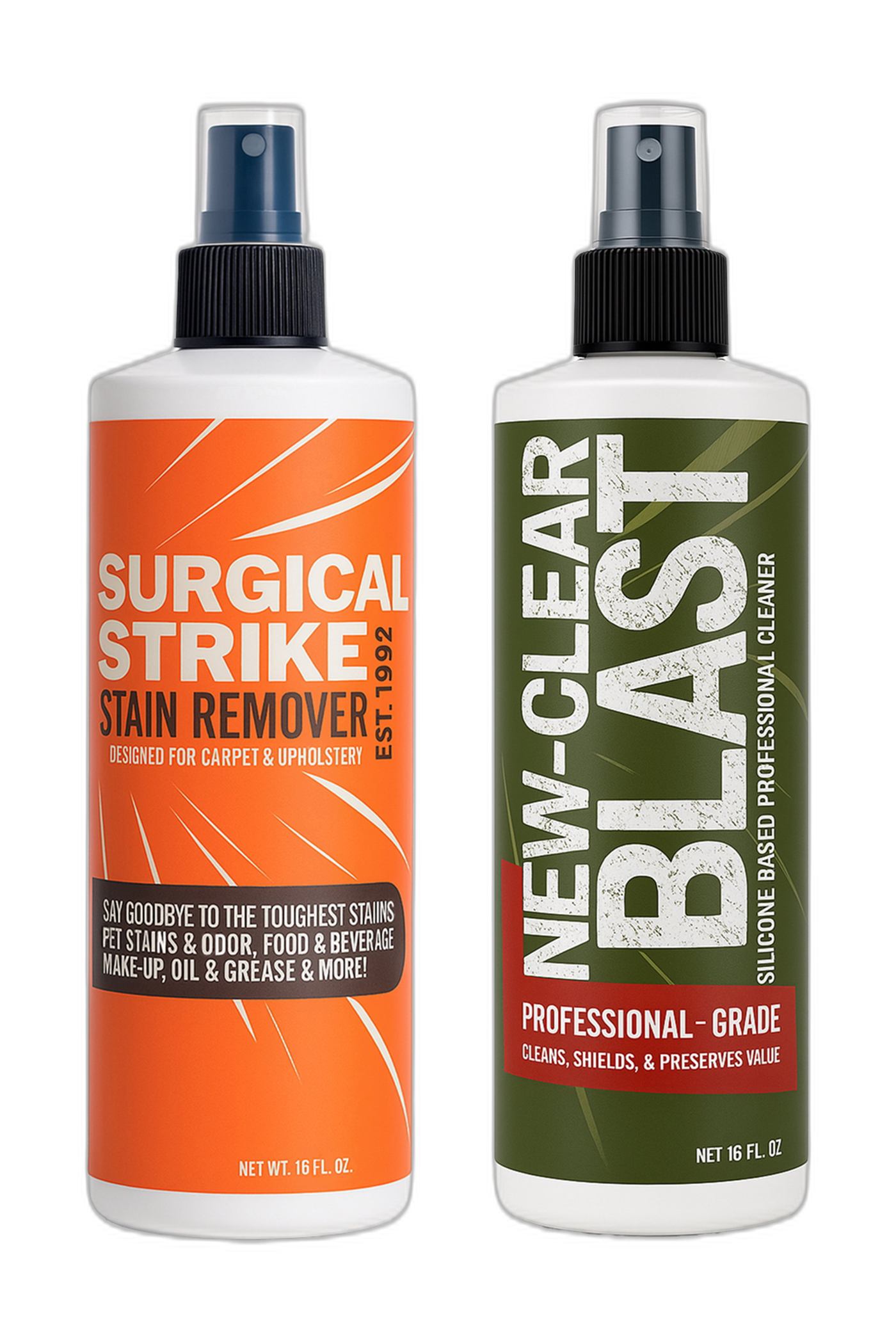
Two formulas. Serious range.
Use Surgical Strike for stains and odor, then New-Clear Blast to clean, shield and preserve hard surfaces.