Key Takeaways
- Aqueous parts washers are central to aerospace maintenance, using multi-stage processes that include wash, rinse, and blow-off cycles to remove contaminants while preserving the integrity of sensitive components.
- Ultrasonic cleaning provides a non-destructive method for removing soils from the intricate geometries of engine parts and components made from alloys like titanium and aluminum, which supports compliance with FAA standards.
- Modern vapor degreasing employs low-surface-tension fluids to effectively clean tight spaces, complex shapes, and blind holes in aerospace parts, offering significant environmental and operational advantages over older methods.
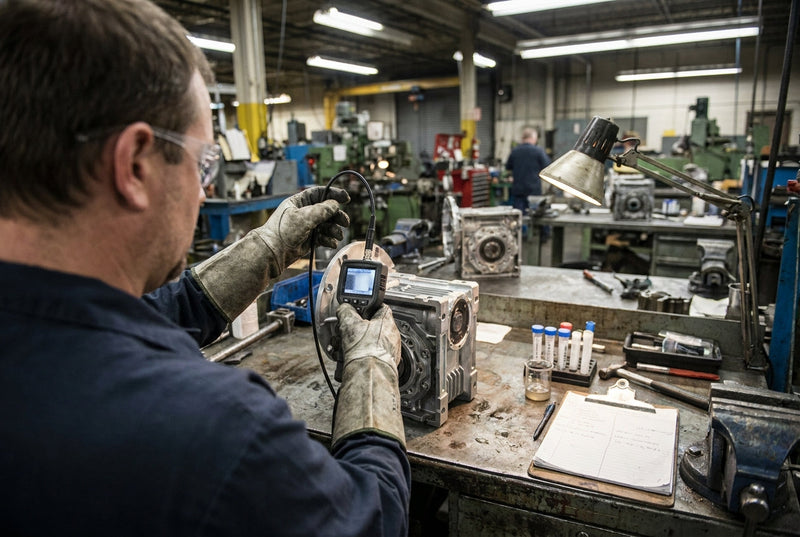
- A critical final step in any aerospace cleaning protocol is the verification of residue removal through systematic inspection and testing, which is essential for ensuring regulatory compliance and preventing corrosion.
The Critical Role of Cleaning for Aerospace Material Integrity
In the aerospace industry, cleaning is not merely a preparatory step; it is a foundational process for maintaining component integrity throughout the entire operational lifecycle. During maintenance, repair, and overhaul (MRO) activities, the cleanliness of a part directly affects subsequent processes like non-destructive testing (NDT), surface finishing, and assembly. Contaminants such as oils, greases, hydraulic fluids, and microscopic particulates can mask defects or interfere with the proper application of protective finishes, leading to premature material degradation.
Recent trends in aerospace maintenance highlight the direct correlation between the quality of cleaning processes and the long-term integrity of critical materials. Thorough and precise cleaning helps prepare surfaces for inspection and repair, ensuring that the structural soundness of each component is accurately assessed. Proper surface preparation is essential to prevent degradation mechanisms like corrosion and to support the sustained airworthiness of every part on an aircraft.
Regulatory, Safety, and Compliance in Aerospace Cleaning
Aerospace cleaning operations are governed by stringent regulatory standards to ensure safety and reliability. All cleaning and maintenance processes must comply with directives from bodies like the Federal Aviation Administration (FAA), which sets forth requirements for maintaining aircraft in an airworthy condition. These regulations mandate that every process, from simple wipe-downs to complex chemical cleaning, is performed according to approved procedures and documented thoroughly.
For specialized applications, such as cleaning components intended for oxygen service, even stricter standards from organizations like NASA and ASTM must be met. These protocols dictate the specific chemical agents, equipment, and verification methods to be used to prevent catastrophic failures. A critical aspect of compliance is the verification of cleanliness. After cleaning, parts must undergo rigorous inspection and testing to confirm the complete removal of residues. This step is not optional; it is a required part of the quality control process that demonstrates adherence to safety and regulatory mandates.
Failure Modes and Operational Risks from Inadequate Cleaning
The consequences of insufficient or improper cleaning in aerospace are severe, posing significant operational risks. Persistent residue buildup, even at a microscopic level, can initiate or accelerate corrosion on sensitive aerospace alloys. These contaminants can trap moisture against the metal surface or react chemically with the material itself, leading to a gradual loss of structural integrity that might go undetected during routine inspections.
Contaminants left on component surfaces also compromise material performance, potentially leading to operational failures. For example, residue in a hydraulic system can cause valves to stick, while debris on a turbine blade can affect aerodynamic efficiency and balance. The entire Manufacturing process relies on parts meeting exact specifications, and cleanliness is a key part of that. Ultimately, failure to verify the cleanliness of parts after processing presents a direct threat to airworthiness and regulatory compliance. An aircraft with components of questionable cleanliness may be grounded until the issue is resolved, resulting in costly delays and a loss of operational readiness.
Mechanism-to-Outcome Map: How Advanced Cleaning Works
Advanced aerospace component cleaning solutions rely on specific physical and chemical mechanisms to achieve consistent and verifiable results. Each method is designed to target different types of contaminants and part geometries, ensuring thorough cleaning without damaging the underlying material.
Aqueous cleaning systems use a combination of heat, pressure, and specialized detergents to dislodge contaminants. These systems often incorporate multi-stage filtration to mechanically remove particulates, preserving both the cleaning fluid and the material integrity of the component. Ultrasonic cleaning systems take a different approach, employing high-frequency sound waves to generate cavitation bubbles in a liquid medium. The rapid collapse of these bubbles creates powerful but microscopic agitating forces that scrub surfaces, effectively lifting particulates from complex and hard-to-reach areas. Vapor degreasing operates on the principle of condensation. It uses low-surface-tension, non-flammable fluids with a high density, often 20% to 40% heavier than water. When the heated vapor condenses on a cooler part, it dissolves soils and flushes them away, effectively penetrating tight spaces and blind holes.
Aqueous Cleaning Systems for Multi-Stage Contaminant Removal
Aqueous parts washers are a cornerstone of modern aerospace cleaning, offering a robust and adaptable method for removing a wide range of soils. These systems are engineered with multi-stage processes that typically include a wash stage, one or more rinse stages, and a final blow-off or drying stage. This systematic approach ensures the comprehensive removal of contaminants from aerospace components without compromising the base material.
A key feature of advanced aqueous systems is their use of high-quality rinse water, often purified through reverse osmosis or deionization, to prevent spotting and mineral deposits. Furthermore, these systems are equipped with sophisticated filtration capabilities, some capable of removing particulates down to single-digit microns. This level of filtration is critical for high-efficiency particulate removal, which is a requirement for many aerospace and aviation applications. By effectively removing oils, greases, and residues from sensitive materials, aqueous cleaning supports the stringent quality control standards of the industry.
Vapor Degreasing for Precision Cleaning of Complex Geometries
For aerospace components with intricate designs, complex geometries, and blind holes, vapor degreasing provides a highly effective cleaning solution. This process utilizes modern, low-boiling, non-flammable fluids specifically formulated for precision cleaning. Unlike aqueous solutions, these vapors can penetrate extremely tight spaces, ensuring that every surface is reached and cleaned.
The high density and low surface tension of modern degreasing fluids are key to their effectiveness. These properties assist in dislodging microscopic particulates and ensure that the cleaning agent can flow into and out of complex internal passages without becoming trapped. This mechanism provides consistent, residue-free surface preparation for critical aerospace materials, including titanium, stainless steel, and other specialized alloys. The result is a uniformly clean surface that is ready for subsequent processes like coating, bonding, or final assembly, supporting the reliability and performance of the final component.
Ultrasonic Cleaning: Targeting Intricate Aerospace Parts
Ultrasonic cleaning technology excels at removing stubborn contaminants from the most challenging aerospace components. Using high-frequency sound waves to induce cavitation, ultrasonic aqueous washers can dislodge tough oils, greases, carbon deposits, and other residues from sensitive materials, including the advanced alloys used in engine and avionics components.
This method is particularly valuable for parts with intricate geometries, internal passages, and other features that are inaccessible to conventional spray or immersion cleaning methods. The microscopic scrubbing action of cavitation reaches deep into crevices and blind holes without causing any surface damage or abrasion. For heavy-duty soil removal, MRO facilities often use manual pre-cleaning steps that may involve products like Surgical Strike to break down stubborn grime before the automated process. By ensuring thorough soil removal from these hard-to-reach areas, ultrasonic cleaning contributes to the readiness and appearance of critical aircraft systems, aligning with high quality control expectations.
Selection Checklist for Aerospace Cleaning Solutions
Choosing the right aerospace component cleaning solutions requires a careful evaluation of multiple factors to ensure safety, compliance, and effectiveness. A systematic approach helps MROs and manufacturers select a process that meets the specific demands of the component and its application. Consider the following checklist:
- Evaluate material compatibility:Confirm that the cleaning solution and method are compatible with the specific aerospace alloys being treated, such as titanium, aluminum, composites, or stainless steel, to prevent etching or damage.
- Identify contaminant type and level: The process should be optimized for the particular soils present, whether they are hydraulic fluids, oils, greases, carbon buildup, or fine particulates.
- Consider part geometry and size: For components with complex shapes, blind holes, or intricate internal structures, methods like ultrasonic or vapor degreasing may be more suitable than simple spray washing.
- Assess regulatory and compliance requirements: The entire cleaning process, including the final verification steps, must meet all applicable FAA, NASA, ASTM, or other industry and OEM standards.
- Review environmental and operational efficiency: Analyze factors like chemical consumption, waste generation, energy usage, cycle time, and safety for personnel to determine the overall cost-effectiveness and sustainability of the solution.
Optimizing Efficiency and Reducing Environmental Impact in Cleaning
In addition to performance and compliance, modern aerospace cleaning processes are increasingly focused on operational efficiency and environmental sustainability. Implementing advanced filtration systems and using specialized, stable solvents can significantly extend the life of cleaning fluids. This reduces the frequency of fluid replacement, which in turn lowers operational costs and minimizes hazardous waste generation.
Multi-stage aqueous cleaning systems contribute to environmental goals by incorporating high-efficiency filtration and closed-loop rinse cycles. These designs drastically reduce water consumption and wastewater discharge, making them a more sustainable option for many applications. Similarly, modern vapor degreasing systems are engineered as closed-loop processes. This design inherently minimizes fluid loss to the atmosphere, reduces emissions, and contains the cleaning agent for reuse, offering clear environmental and containment advantages over older, open-top systems. The full range of cleaning options can be explored on our Applications list.
Clean and prep surfaces with CG Chemicals
If you are dealing with buildup, residues, or tough soil before maintenance or finishing work, CG Chemicals offers practical cleaning solutions for high-use environments. Explore New-Clear Blast and Surgical Strike based on your surface and soil type.
Sources
- https://www.proceco.com/blogs/enhancing-aerospace-precision-with-aqueous-parts-washers
- https://www.betterengineering.com/industries/aviation-aerospace/
- https://www.aerospacemanufacturinganddesign.com/article/modern-vapor-degreasing/
- https://www.cleancosystems.com/aerospace-chemical-cleaning-services/
- https://www.aviationweek.com/defense-aerospace/maintenance-repair-overhaul/how-cleaning-processes-ensure-aerospace-material-integrity
- https://www.faa.gov/regulations_policies/rulemaking/opportunities/media/NPRM-2023-07.pdf
- https://www.midwestpartswashers.com/aerospace-cleaning-solutions
- https://relspec.com/aerospace-precision-cleaning-1
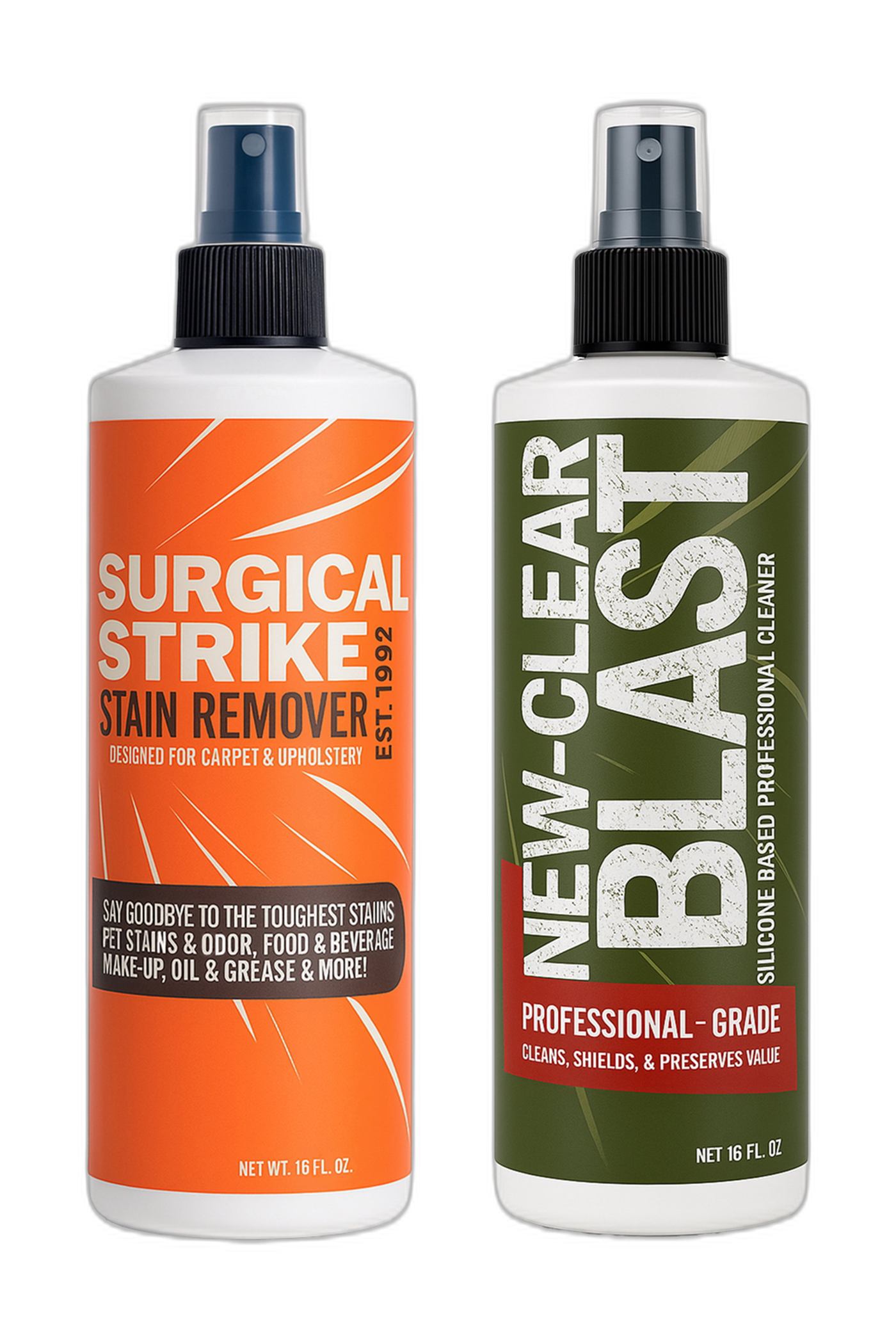
Two formulas. Serious range.
Use Surgical Strike for stains and odor, then New-Clear Blast to clean, shield and preserve hard surfaces.