Key Takeaways
- Eco-friendly transit cleaning balances hygiene, occupant health, and environmental impact.
- Cleaning protocols should be risk-based, targeting high-touch surfaces and routine sanitation needs.
- Safer chemistry products help reduce exposure concerns for passengers, operators, and cleaning staff.
- Standardized cleaning protocols support operational efficiency across transit systems.
- Visible cleanliness and good air quality support rider confidence and a positive passenger experience.
The Imperative for Sustainable Cleaning in Public Transit
The cleanliness of public transportation directly influences passenger confidence and their perception of safety. In an era of heightened health awareness, visible and effective hygiene is not just a preference but a core expectation. Maintaining these standards is essential for retaining ridership and encouraging the use of public transit as a reliable and responsible mode of travel.
Implementing sustainable cleaning practices allows transit authorities to reduce their environmental footprint without compromising on essential hygiene. This involves a strategic shift away from harsh chemicals toward eco-friendly products that balance public health, operational needs, and ecological responsibility. By adopting these methods, transit systems can create healthier environments for both passengers and employees.
The goal is to align cleaning protocols with guidance from public health organizations, which emphasize routine cleaning as a primary measure for maintaining healthy spaces. This approach ensures that resources are used effectively to address the most significant risks in transit environments, from Vehicles to station facilities.
Prioritizing High-Touch Surfaces and Risk-Based Protocols
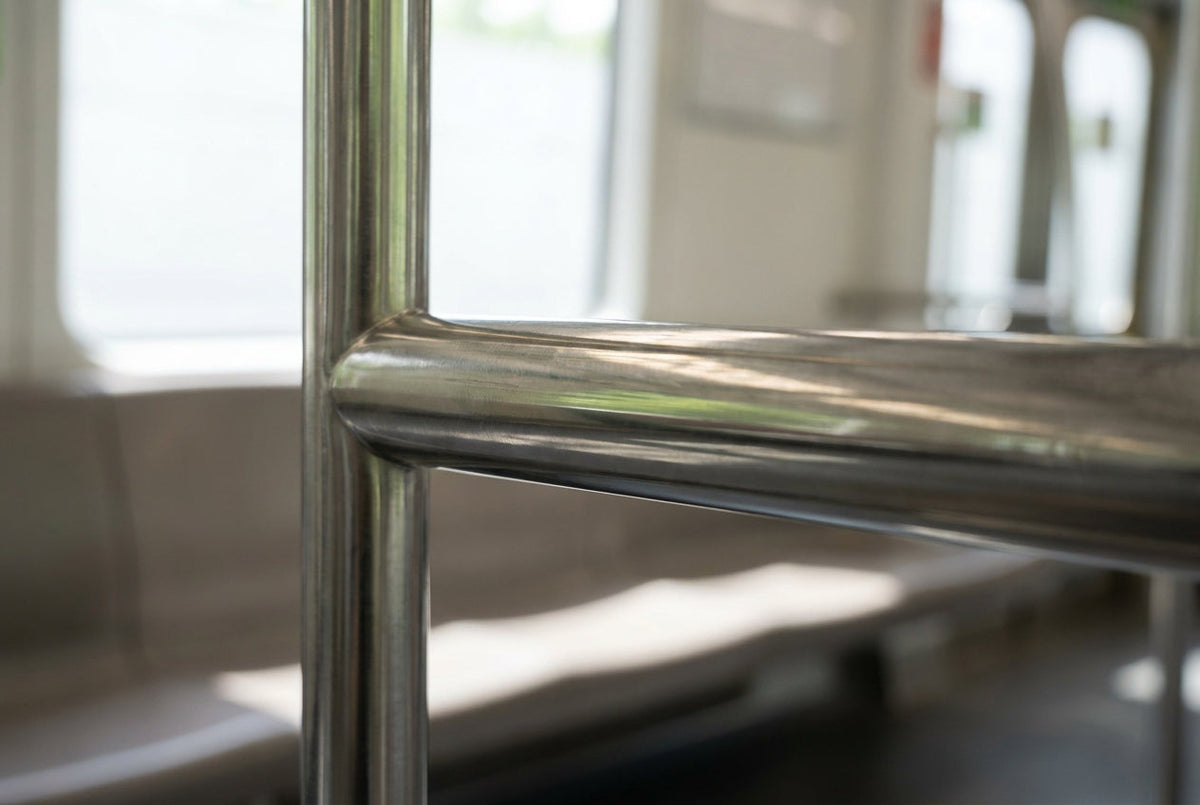
An effective cleaning strategy for public transit is not about cleaning everything all the time, but about focusing resources where they matter most. Transit cleaning protocols should be risk-based, concentrating on high-touch surfaces in both vehicles and stations. Surfaces that are frequently contacted by passengers and staff, such as handrails, grab bars, seats, door handles, and ticket kiosks, require more frequent attention to minimize the transfer of soils and contaminants.
Developing and adhering to clear cleaning standards is fundamental to achieving operational consistency and reliable hygiene across a public transportation system. The American Public Transportation Association (APTA) provides standards that can guide the creation of these protocols, ensuring a uniform level of cleanliness that passengers can depend on. This standardization simplifies training, procurement, and management of cleaning operations.
A risk-based approach helps allocate labor and supplies efficiently. For example, a busy urban train car may require more frequent attention to its high-touch surfaces during peak hours compared to a less-trafficked bus on a suburban route. By tailoring cleaning frequency to actual usage and risk, transit authorities can maintain high standards of hygiene in a cost-effective manner.
Choosing Safer Chemistry for Transit Environments
The enclosed nature of buses and trains makes indoor air quality a significant concern. Using cleaning products with safer chemistry can help reduce exposure to volatile organic compounds (VOCs) and other irritants for both passengers and cleaning staff. This contributes to a more pleasant and healthier travel experience. Choosing cleaning agents that minimize the release of harsh fumes is critical for maintaining good air quality.
The EPA's Safer Choice program is a valuable resource for identifying cleaning products that meet stringent human health and environmental safety criteria without sacrificing performance. Products that carry the Safer Choice label have been reviewed by EPA scientists to ensure they contain ingredients that are safer for people and the planet. This certification helps procurement managers make informed decisions that align with sustainability goals.
By selecting eco-friendly cleaning agents, transit operators can create healthier environments inside vehicles and stations. Better indoor air quality not only benefits passengers with respiratory sensitivities but also protects the long-term health of transit workers who are regularly exposed to cleaning products. This thoughtful approach to product selection is a cornerstone of a modern, sustainable transit system.
Failure Modes and Operational Risks from Ineffective Cleaning
Using improper cleaning products or methods can introduce operational risks and potential health concerns. Incomplete cleaning or the use of harsh chemicals can contribute to respiratory irritation and other issues for occupants and staff, particularly in poorly ventilated spaces. The residue from certain chemicals can also degrade surfaces over time, leading to increased maintenance costs and a diminished aesthetic.
A critical failure point is the failure to follow product label directions, especially regarding contact time. For a cleaning agent to work as intended, it often needs to remain wet on a surface for a specific duration. Skipping this step can compromise cleaning effectiveness and lead to persistent contamination, even if a surface appears clean. Staff must be trained to understand and adhere to these instructions precisely.
Furthermore, residue buildup from inappropriate cleaning agents can create a film that attracts more dirt, making subsequent cleaning more difficult. This can degrade the appearance and perceived hygiene of the transit environment, potentially eroding passenger trust. It also poses a risk of creating slippery surfaces, which is a safety concern.
Mechanism to Outcome Map: Cleaning Practices and Environmental Health
Understanding the link between specific cleaning actions and their outcomes is key to developing an effective program. The relationship between mechanisms and outcomes can be mapped to guide protocol development.
- Mechanism: Product Chemistry Selection -> Outcome: Indoor Air Quality & Health. Choosing safer chemistry products with low VOC content helps reduce the release of airborne irritants. This directly supports better air quality in enclosed transit spaces, which is beneficial for passenger and employee respiratory health.
- Mechanism: Adherence to Contact Time -> Outcome: Cleaning Efficacy. Ensuring cleaning agents remain on surfaces for the manufacturer-specified contact time is a critical mechanism. The outcome is the product working as intended to break down soils, films, and residues, leading to a properly cleaned surface.
- Mechanism: Standardized Cleaning Protocols -> Outcome: Operational Consistency & Hygiene. Implementing consistent, documented cleaning procedures across all vehicles and stations is the mechanism for achieving uniform results. This leads to reliable hygiene standards and more efficient use of resources, supporting a trustworthy transit system.
Implementing Effective Eco-Friendly Cleaning Protocols
Successful implementation of a sustainable cleaning program hinges on clear, standardized protocols. Developing and documenting these procedures for all vehicles and facilities streamlines operations and ensures that every part of the transit system meets the same high standard of cleanliness. These protocols should cover everything from product selection to cleaning frequency for different surface types.
Thorough training for cleaning staff is another critical component. Personnel must be educated on proper product use, correct dilution ratios, required contact times, and all necessary safety measures, including the use of personal protective equipment (PPE). Effective training ensures that high-quality products are not wasted or misapplied, which is key to both safety and efficacy.
To simplify inventory and application, transit authorities should consider prioritizing multi-surface cleaning solutions where appropriate. Using a smaller number of versatile products can reduce complexity, lower the risk of application errors, and streamline procurement and training. This approach supports overall efficiency in transit maintenance operations for high-use environments.
Regulatory, Safety, and Compliance Considerations
Adherence to established guidelines is non-negotiable in public transportation. Cleaning and disinfection practices should align with guidance from public health authorities such as the Centers for Disease Control and Prevention (CDC). This ensures that cleaning efforts are consistent with current public health recommendations for maintaining safe transit environments.
In addition to health guidance, transit facility cleaning protocols are also informed by industry standards. Organizations like the American Public Transportation Association (APTA) develop standards that reflect best practices for facility maintenance and hygiene, providing a valuable framework for transit operators to build upon.
At the most fundamental level, safety and effectiveness depend on following product label directions. Labels provide legally enforceable instructions on proper use, dilution, application methods, required contact times, and necessary personal protective equipment. Strict adherence to these directions is essential for regulatory compliance and for protecting the health of both cleaning staff and the public.
Sustainable Cleaning Product Selection Checklist
Choosing the right products is a foundational step. A simple checklist can help guide procurement decisions to ensure they align with sustainability and performance goals.
- Verify Third-Party Certifications: Check if products meet the criteria of reputable third-party programs like EPA Safer Choice. This provides external validation that a product meets high standards for environmental and human health safety.
- Assess Surface Compatibility and Efficacy: Confirm that the product is suitable for the specific surfaces found in transit environments, from metal handrails to vinyl seating. It should effectively remove common soils like grime, buildup, and stains without causing damage or leaving a harmful residue.
- Review Labels for Clarity and Safety: A product's label should provide clear, easy-to-understand instructions for use, including dilution ratios, contact times, and required safety precautions. This information is critical for ensuring the product is used correctly and safely by cleaning crews.
Clean and prep surfaces with CG Chemicals
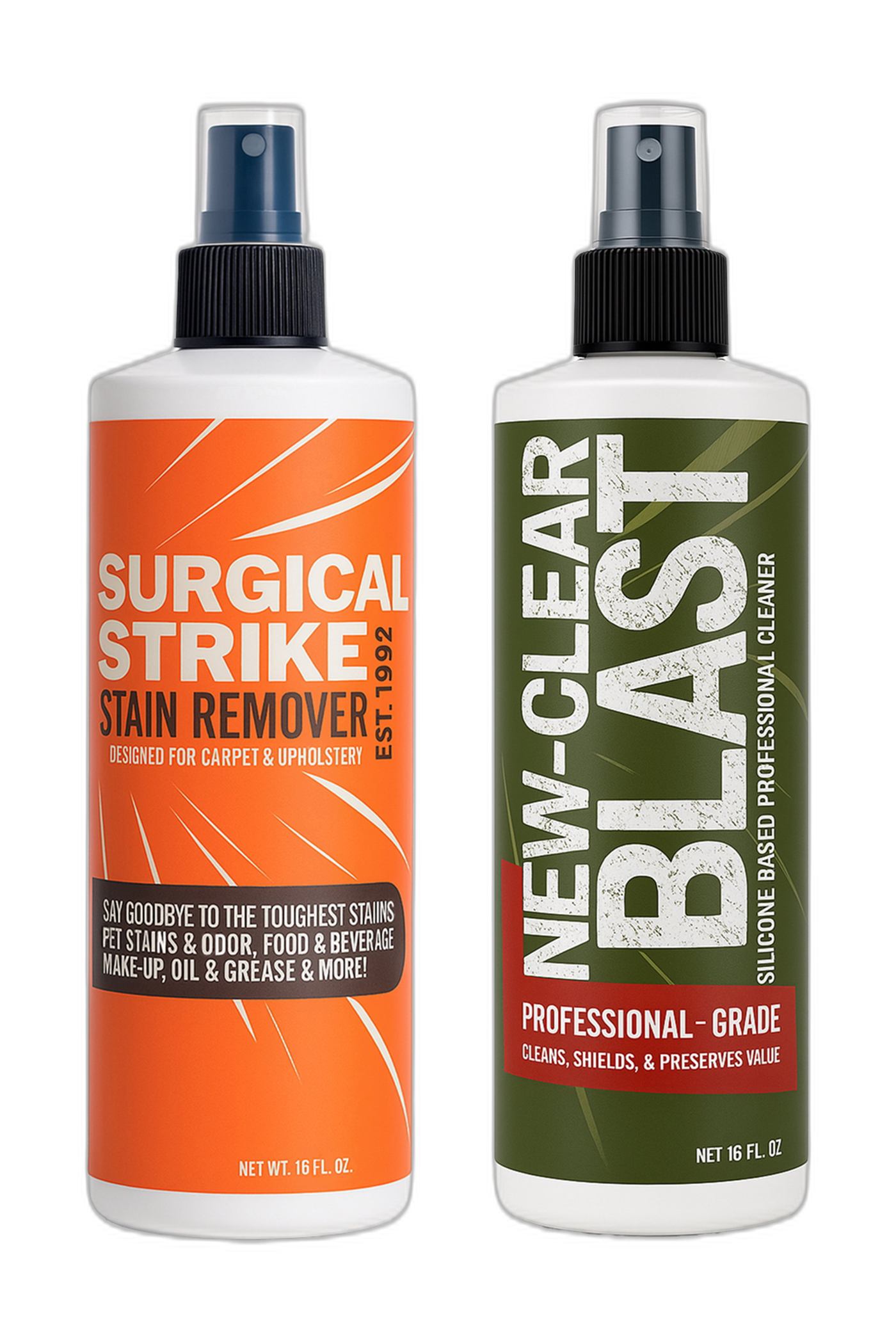
If you are dealing with buildup, residues, or tough soil before maintenance or finishing work, CG Chemicals offers practical cleaning solutions for high-use environments. Explore New-Clear Blast and Surgical Strike based on your surface and soil type.
Sources
- https://www.who.int/publications/i/item/9789240094136
- https://www.euro.who.int/__data/assets/pdf_file/0006/514932/Healthy-public-transport.pdf
- https://www.cdc.gov/transportation/guidance/index.html
- https://www.apta.com/research-technical-resources/standards-guidelines/
- https://www.ncbi.nlm.nih.gov/pmc/articles/PMC10265185/
- https://www.sciencedirect.com/science/article/pii/S0048969722046788
- https://www.epa.gov/saferchoice
- https://www.epa.gov/pesticide-labels
- https://www.cdc.gov/clean-hands/hcp/clinical-safety/index.html
Two formulas. Serious range.
Use Surgical Strike for stains and odor, then New-Clear Blast to clean, shield and preserve hard surfaces.