The Imperative of Careful Cleaning in Veterinary Clinics
Veterinary clinics are unique environments that demand exceptionally high standards of hygiene. Unlike typical commercial spaces, they serve a population of vulnerable animal patients, many with compromised immune systems. Maintaining a clean and sanitary facility is fundamental to preventing the transmission of infectious diseases among animals, as well as protecting the health of clinic staff and visiting pet owners. The constant flow of animals introduces a wide range of biological contaminants, making rigorous cleaning protocols a cornerstone of responsible veterinary practice.
The central challenge in clinic sanitation is selecting cleaning agents that work well on organic soils and suit areas animals contact, alongside EPA-registered disinfectants for pathogen control. Products must be powerful enough to neutralize bacteria and viruses but formulated to minimize the risk of irritation or toxicity to pets who may come into direct contact with treated surfaces. This requires a careful evaluation of product ingredients, efficacy data, and application instructions to strike the right balance.
Cleaning protocols in a veterinary setting must be comprehensive, addressing everything from common organic messes like urine and feces to specific, resilient pathogens known to affect animals. Effective facility management depends on a multi-faceted approach that includes routine surface cleaning, targeted disinfection with EPA-registered products, and consistent odor control to ensure a welcoming, professional environment for everyone.
Key Takeaways for Clinic Cleaning and Hygiene
Maintaining a hygienic veterinary practice requires a strategic approach to cleaning and disinfection. Key considerations ensure that the products and protocols in place are effective without posing unnecessary risks to animals. Below are essential points for clinic managers to focus on.
- Pathogen Efficacy and Animal Safety: Disinfectants used in clinics must be proven effective against common and resilient veterinary pathogens, such as parvovirus and distemper, while being labeled for use around animals after the recommended contact time and any required rinsing.
- Targeted Organic Mess Removal: Enzymatic cleaners are particularly valuable in veterinary settings. They are designed to break down the specific proteins in organic messes like urine, feces, and vomit, which helps to eliminate odors at their source rather than just masking them with heavy fragrances that can irritate sensitive animals.
- Regulatory and Surface Considerations: Opting for EPA-registered disinfectants provides assurance of their efficacy against specified pathogens. Additionally, choosing pH-neutral products can help prevent damage to a wide range of surfaces found in clinics, from examination tables to kennel floors.
- Selection Criteria: A thorough selection process should weigh multiple factors. Beyond pathogen concerns, clinic managers should assess surface compatibility, odor elimination capabilities, ease of use, and overall cost-effectiveness to find the best fit for their facility’s needs.
Adhering to Biosecurity and Regulatory Standards
Veterinary practices are responsible for implementing and maintaining robust biosecurity protocols. These measures are designed to prevent the introduction and spread of infectious agents within the facility. Authoritative bodies like the American Veterinary Medical Association (AVMA) provide comprehensive guidelines that serve as a critical resource for establishing these essential safety practices.
A key component of these standards is the use of appropriate disinfectants. Products used in clinical settings should be registered with the Environmental Protection Agency (EPA). This registration signifies that the product has undergone testing and has been proven effective against the pathogens listed on its label when used according to the manufacturer's directions. Using EPA-registered products is a fundamental step in ensuring that disinfection efforts are genuinely effective.
Ultimately, a safe clinical environment is maintained through the consistent and correct application of cleaning and disinfection best practices. This includes staff training on proper procedures, adherence to recommended contact times, and regular review of protocols to ensure they remain effective and aligned with current industry standards.
Understanding Cleaning Mechanisms for Optimal Outcomes
Different cleaning products work in distinct ways to achieve sanitation. Enzymatic cleaners, for example, are highly effective for the organic soils common in veterinary clinics. These products contain specific enzymes that act as catalysts to break down complex molecules found in urine, feces, and vomit. This process not only removes the visible stain but also eliminates the underlying source of odors.
Disinfectants operate through various chemical mechanisms to neutralize or destroy pathogens on a surface. Their effectiveness depends heavily on proper use, including applying the correct dilution and allowing for the required contact time as specified by the manufacturer. Without sufficient contact time, the product may not fully eliminate the targeted microorganisms.
The pH level of a cleaning agent is another important factor. Using pH-neutral cleaners is often recommended for general cleaning in clinics because they are less likely to damage sensitive surfaces or equipment. They also reduce the risk of skin irritation for both animals and staff, contributing to a more comfortable overall environment.
Mitigating Operational Risks Through Targeted Cleaning
The risks associated with inadequate cleaning in a veterinary clinic are significant. The most serious risk is the potential for disease transmission. If surfaces are not properly cleaned and disinfected, pathogens can persist, creating a reservoir for infection that can spread from one animal patient to another. This is particularly dangerous for young, old, or immunocompromised animals.
Beyond health concerns, operational risks include damage to the facility itself. Using cleaning products that are incompatible with certain materials can lead to surface degradation, discoloration, or residue buildup over time. This can affect flooring, examination tables, kennels, and expensive medical equipment, leading to costly repairs or replacements.
Finally, failure to manage contaminants and odors can negatively impact a clinic's reputation. Lingering smells from organic waste can create an unsanitary impression on clients, potentially causing them to question the quality of care. A clean and fresh-smelling facility helps build client trust and reinforces a professional image.
Selecting Effective Cleaning Solutions: A Checklist
Choosing the right cleaning agents for a veterinary clinic requires careful consideration of multiple factors. A systematic approach helps ensure that selected products are both appropriate and effective for the specific demands of an animal care environment. The following checklist can guide the selection process:
- Pathogen Efficacy: Confirm that the product is effective against relevant veterinary pathogens. Look for EPA registration and specific claims for viruses like parvovirus, distemper, and coronaviruses that are common concerns in animal facilities.
- Surface Compatibility:Verify that the cleaner is compatible with the various surfaces throughout the clinic, including stainless steel, laminate, vinyl flooring, and specialized medical equipment. A product that is versatile yet gentle can simplify cleaning protocols.
- Odor Elimination: Prioritize products that neutralize odors at their source rather than masking them with heavy perfumes. Fragrance-free or lightly scented options are generally better for animals with sensitive respiratory systems.
- Handling Profile: Evaluate the overall safety of the product. Look for pH-neutral formulas to minimize irritation risks. It is also important to always follow label directions, which may include using the product with adequate ventilation and taking other safety precautions.
Implementing Daily Cleaning Protocols for Veterinary Environments
Consistency is the key to effective sanitation in a veterinary clinic. Establishing clear, documented daily cleaning protocols for all areas is essential for maintaining a safe environment. These protocols should detail procedures for high-touch surfaces, kennels, examination rooms, surgical suites, and reception areas.
Proper implementation requires that all staff members are trained on the correct use of cleaning and disinfecting agents. This includes understanding the specified dilution ratios and contact times necessary to achieve full efficacy against target pathogens. Rushing the process or using incorrect concentrations can render a disinfectant ineffective, creating a false sense of security.
For ongoing maintenance, incorporating specialized cleaners into daily routines can make a significant difference. Using enzymatic cleaners for the routine removal of pet waste and other organic residues helps manage odors and maintain a visibly clean and fresh environment for animals, staff, and clients.
Supporting Clinic Cleanliness with CG Chemicals Solutions
CG Chemicals provides practical solutions designed to support the demanding cleaning and surface preparation needs of high-use environments, including veterinary Facilities. Maintaining cleanliness is a critical step in any comprehensive cleaning program.
For general maintenance cleaning and surface preparation, New-Clear Blast helps remove common buildup, grime, and other residues from a variety of surfaces found in a clinic. It is used as part of a regimen to prepare surfaces for further steps or for routine upkeep.
When dealing with specific challenges like animal waste, Surgical Strike supports the removal of tough stains and odors. Its formulation assists with breaking down organic matter, which is a frequent task in animal care settings.
Using the right products for cleaning tasks is a key part of maintaining overall facility cleanliness. The CG Chemicals Applications list shows the range of environments where our solutions can be applied as part of a complete maintenance plan.
Clean and prep surfaces with CG Chemicals
If you are dealing with buildup, residues, or tough soil before maintenance or finishing work, CG Chemicals offers practical cleaning solutions for high-use environments. Explore New-Clear Blast and Surgical Strike based on your surface and soil type.
Sources
- https://www.avma.org/resources-tools/guidelines-reports/biosecurity-veterinary-practices-and-facilities
- https://www.veterinary-practice.com/article/clinic-cleaning-disinfection-best-practices
- https://www.janisource.com/blogs/news/blogs-pet-friendly-cleaning-products-hospitality
- https://www.getweave.com/disinfecting-a-veterinary-practice/
- https://www.alphatechpet.com/sanitation.aspx
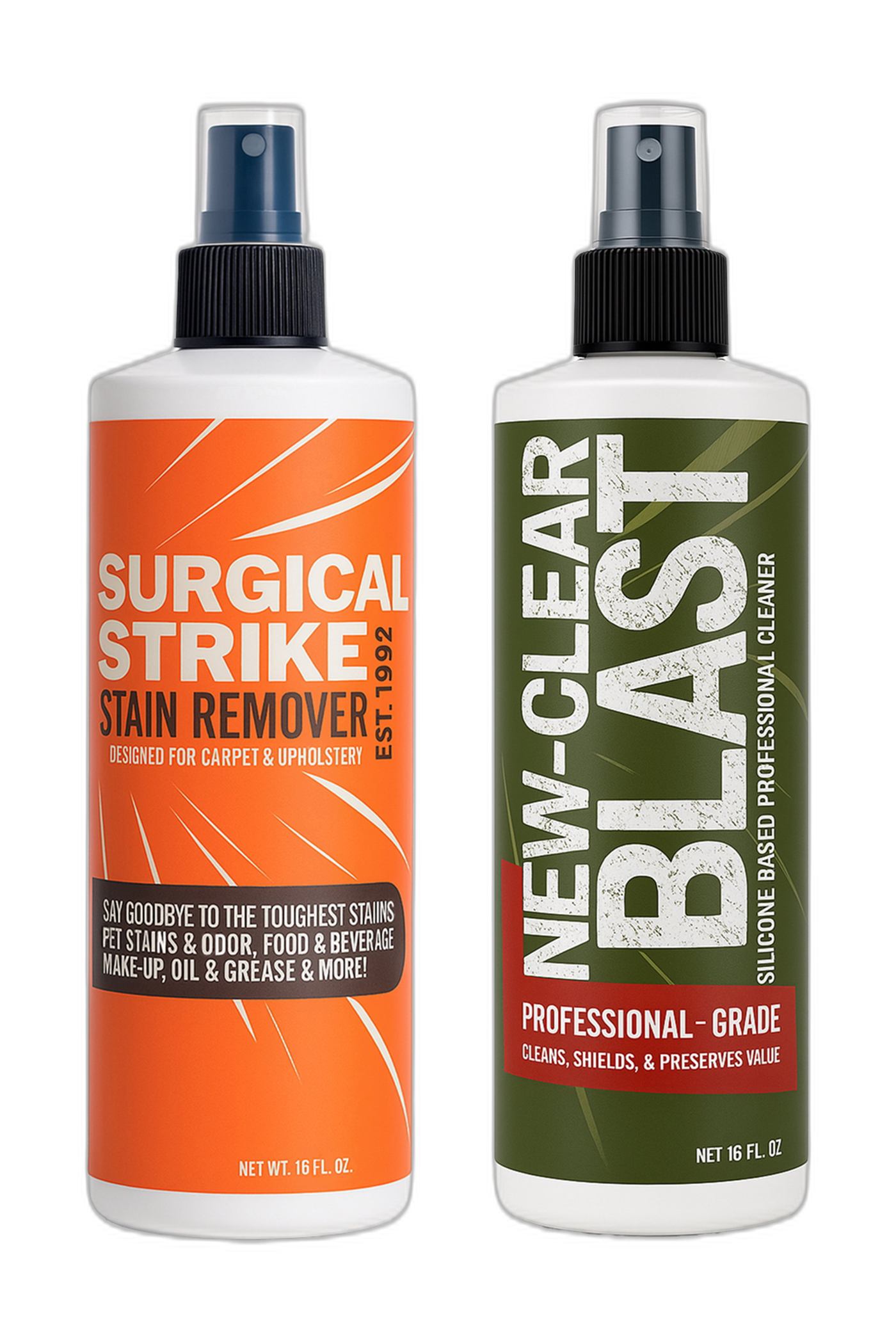
Two formulas. Serious range.
Use Surgical Strike for stains and odor, then New-Clear Blast to clean, shield and preserve hard surfaces.