Introduction: Protecting Healthcare Staff from Cleaning-Related Risks
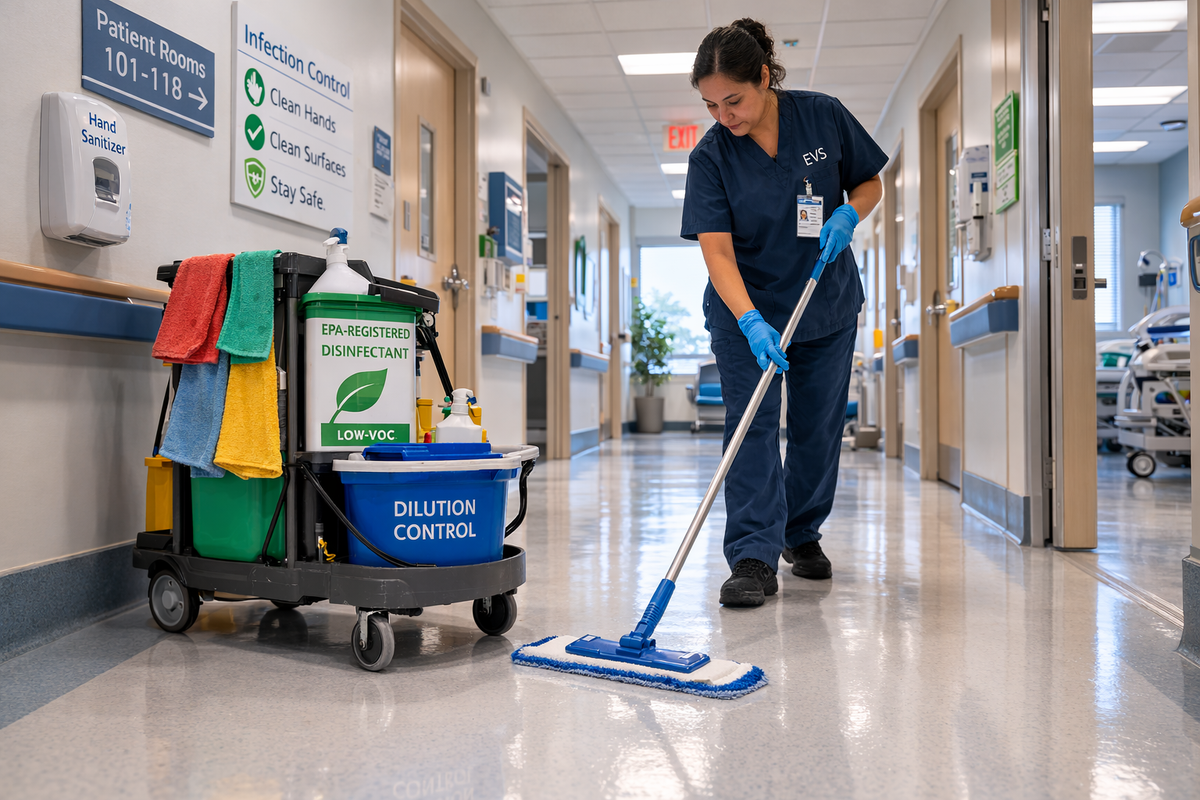
In any healthcare setting, the well being of patients is paramount. Yet, the health and safety of the staff who maintain these environments are just as critical. Healthcare workers, especially environmental services (EVS) teams, are on the front lines, ensuring facilities are clean and safe. This work often involves routine exposure to a wide range of cleaning chemicals. Traditional cleaning products can contain hazardous substances that contribute to significant occupational health risks, from respiratory irritation to skin conditions.
Implementing green cleaning practices is a direct strategy for reducing staff exposure to these potentially harmful chemicals. This shift is not just about environmental responsibility; it is a fundamental aspect of workplace safety that reduces caregivers’ exposure to harsh chemicals. By choosing cleaning solutions formulated with staff safety in mind, facilities can reduce staff exposure to harsh chemicals. This approach aligns with broader standards for environment of care and infection control, which are essential for compliance and operational excellence.
Green cleaning protocols help protect staff while maintaining the necessary levels of hygiene required in healthcare. These practices focus on using products that perform effectively without introducing unnecessary hazards, thereby supporting both patient care and the long term health of the dedicated teams who work tirelessly behind the scenes. Guidelines from organizations like the CDC emphasize the importance of balancing disinfection with occupational health considerations.
Key Takeaways for Healthcare Environments
Shifting to green cleaning practices offers tangible benefits for healthcare staff and the facilities where they work. These advantages address health, safety, and operational efficiency, creating a more sustainable and supportive work environment. Understanding these key points can help facility managers make informed decisions about their cleaning protocols.
- Reduced Chemical Exposure: Green cleaning products are formulated to minimize harsh chemicals. This directly reduces staff exposure to substances that can cause respiratory issues, skin irritation, and other health problems.
- Improved Indoor Air Quality: Many green cleaners are low in Volatile Organic Compounds (VOCs) and free of strong fragrances. This helps to improve indoor air quality, creating a more comfortable breathing environment for staff.
- Effective Cleaning with Fewer Harsh Chemicals:Green cleaning methods handle routine soil removal with ingredients that pose fewer hazards to workers, while disinfection steps use EPA-registered products where required.
- Enhanced Staff Comfort: A more comfortable work environment supports staff well being. This can support a more positive workplace culture.
- Support for Occupational Health: By design, green cleaning programs support occupational health goals by limiting routine exposure to hazardous chemicals, a primary risk factor for EVS and other healthcare personnel.
Reducing Chemical Exposure for Direct Staff Protection
Healthcare workers, from nurses to EVS professionals, handle cleaning and disinfecting agents daily, placing them at an elevated risk of chemical exposure. Traditional products often contain harsh chemicals that can cause immediate or long term health effects. Green cleaning products are formulated specifically to reduce these harsh components, limiting staff exposure.
By minimizing direct contact with aggressive chemicals, facilities can reduce a common source of occupational irritation. These include respiratory problems, skin irritation, and allergic reactions that can affect an employee's quality of life and ability to work. The core principle of green cleaning is to achieve cleanliness while reducing harsh-chemical exposure for the people performing the tasks.
Mitigating exposure to hazardous substances is a key component of a comprehensive occupational health program. For example, some conventional cleaners are known contributors to occupational asthma. Shifting to green alternatives can reduce exposure to these products, demonstrating a commitment to the long term well being of the workforce. This proactive approach not only protects employees but also fosters a culture of safety throughout the organization.
Improving Indoor Air Quality in Healthcare Facilities
The quality of air inside a healthcare facility has a direct impact on everyone who works there. Traditional cleaning products often release Volatile Organic Compounds (VOCs) and powerful synthetic fragrances into the atmosphere. These airborne contaminants can degrade indoor air quality and lead to a range of health issues for staff, from headaches to respiratory distress.
Poor indoor air quality can be especially challenging for healthcare workers who may have pre existing respiratory conditions, such as asthma or allergies. Constant exposure can exacerbate these conditions, leading to discomfort and increased sick days. Green cleaning products are often formulated to be low-VOC and fragrance-free, which helps create a more pleasant breathing environment for the entire team.
By prioritizing products that do not release harmful fumes, facility managers can take a significant step toward a more comfortable workspace. Improved air quality benefits not only staff but also patients and visitors, contributing to an overall perception of a clean, well maintained, and health conscious environment. This focus on what is put into the air is a critical, though often overlooked, aspect of facility management.
Failure Modes or Operational Risks: Impact of Traditional Cleaning on Staff Health
Relying on harsh, traditional cleaning chemicals introduces several operational risks that can negatively affect staff health and facility budgets. The most immediate risks are acute injuries such as chemical burns from accidental spills, respiratory distress from inhaling strong fumes in poorly ventilated areas, and contact dermatitis from prolonged skin exposure. These incidents can lead to lost work time and require medical attention.
Beyond acute incidents, frequent exposure to the VOCs and strong fragrances in conventional cleaners can contribute to chronic health problems. Conditions like occupational asthma can develop or worsen over time, impacting long term employee health and productivity. These health issues can result in higher rates of staff absenteeism and an increase in worker's compensation claims, creating direct and indirect costs for the facility.
Furthermore, cleaning protocols that rely on overly aggressive chemicals without proper safety measures can compromise the overall hygiene of a facility. If staff are hesitant to use a product correctly due to its harsh nature, or if corners are cut to minimize exposure, the effectiveness of the cleaning process itself can be diminished. This not only increases risks for staff but can also impact patient safety. Transitioning to greener programs helps mitigate these risks by providing effective solutions that staff can use with greater confidence.
Mechanism-to-Outcome Map: How Green Cleaning Reduces Staff Exposure
Understanding the direct link between the mechanisms of green cleaning and reduced chemical exposure can clarify the benefits for healthcare staff. The advantages are not theoretical; they are the result of specific formulation choices that limit harsh ingredients.
-
Mechanism: Use of low-VOC formulations.
Outcome: This leads to reduced inhalation of harsh fumes for cleaning staff and other occupants. Staff experience a more comfortable breathing environment with fewer strong chemical odors. -
Mechanism: Formulation with biodegradable and less irritating ingredients.
Outcome: This minimizes skin exposure to harsh substances, reducing the risk of contact dermatitis, rashes, and other dermal irritation for staff who handle these products regularly. -
Mechanism: Absence of harsh, sticky chemical residues on surfaces.
Outcome:Surfaces are left cleaner for staff to touch and work around, with less harsh-chemical residue and indirect exposure. -
Mechanism: Overall improvement of indoor air quality.
Outcome: A work environment with better air quality and fewer strong odors supports staff comfort.
Regulatory, Safety, or Compliance Considerations for Green Cleaning
Adopting green cleaning practices is not only a best practice for staff safety but also aligns with established regulatory and compliance standards in the healthcare industry. Patient and staff safety are central to healthcare operations, and cleaning protocols are a significant part of this framework. Standards from bodies like The Joint Commission emphasize the importance of maintaining a safe environment of care, which includes the safe handling and use of cleaning chemicals.
The Centers for Disease Control and Prevention (CDC) provides extensive guidelines on environmental infection control in healthcare settings. These guidelines address not only the efficacy of disinfection but also the importance of occupational health protections for the workers carrying out these critical tasks. A well designed green cleaning program supports these dual goals by using effective products that minimize chemical hazards for employees.
Ultimately, green cleaning programs are a practical way to meet the goal of reducing occupational health risks. By consciously limiting the exposure of custodial and other healthcare staff to hazardous substances, Facilitiescan demonstrate a proactive commitment to staff well-being that goes beyond minimum requirements. This strengthens the overall safety culture and ensures that infection control measures do not come at the expense of employee well being.
Operational Considerations: Staff Comfort and Retention
The operational advantages of implementing a green cleaning program extend beyond compliance and reduced chemical exposure. A focus on cleaning products with fewer harsh chemicals contributes directly to enhanced staff well being. When employees feel that their employer is invested in their health and safety, it can lead to higher morale, greater job satisfaction, and a more positive work environment overall.
This improved work environment can have a tangible impact on human resources metrics. More comfortable, satisfied employees are more likely to remain with their employer long term. Better retention rates reduce the significant costs associated with recruiting, hiring, and training new staff. Furthermore, fewer chemical-exposure incidents may help limit worker's compensation claims, a major operational expense for any large facility.
Finally, a switch to green cleaning often results in fewer complaints from staff about strong chemical odors. This reduction in complaints frees up facility managers to focus on other priorities and reinforces the positive impact of the program. Over time, these operational benefits create a compelling business case for adopting greener cleaning protocols.
Selection Checklist for Green Cleaning Products in Healthcare
Choosing the right green cleaning products for a healthcare setting requires a careful evaluation of safety, efficacy, and environmental impact. Facility managers can use this checklist to guide their selection process and ensure they are sourcing solutions that meet the needs of their staff and facility.
- Prioritize Low-VOC and Fragrance-Free Options: To protect and support indoor air quality, select products that are explicitly labeled as low in Volatile Organic Compounds (VOCs) and are free from synthetic fragrances.
- Verify Efficacy for Healthcare Environments: Ensure any product considered is effective for its intended purpose, whether for general cleaning, degreasing, or disinfection. The product must meet the hygiene standards of a healthcare facility while maintaining a favorable safety profile for staff.
- Consider Environmental Impact: Look for products that are biodegradable and designed to minimize harm to the environment. This reflects a broader commitment to sustainability that benefits the entire community.
- Assess Supplier Transparency: A reputable supplier should provide clear and accessible information, including complete ingredient lists and Safety Data Sheets (SDS). This transparency is crucial for assessing potential risks and ensuring proper use.
- Review Instructions for Safe Handling: Choose products that come with clear, easy to understand instructions for mixing, application, and storage. Proper training is essential for staff safety, and clear guidance from the manufacturer supports this effort.
Clean and prep surfaces with CG Chemicals
If you are dealing with buildup, residues, or tough soil before maintenance or finishing work, CG Chemicals offers practical cleaning solutions for high-use environments. Explore New-Clear Blast and Surgical Strike based on your surface and soil type.
- Use with adequate ventilation.
- Avoid contact with eyes and prolonged skin contact.
- Keep out of reach of children.
- Follow label directions.
Sources
- https://www.informedgreensolutions.org/cleaning-for-health
- https://www.jointcommission.org/standards/field-guide-to-the-elements-of-performance/
- https://www.cdc.gov/infectioncontrol/guidelines/index.html
- https://pinnaclehealthcareevs.com/sustainable-cleaning-how-green-practices-in-evs-benefit-healthcare-facilities/
- https://powerlinkonline.com/the-benefits-of-using-green-cleaning-products-in-healthcare-settings/
- https://greenmachinesw.co.uk/contract-cleaning/blog/clean-safe-compliant-how-green-cleaning-supports-better-outcomes-in-healthcare/
- https://ogs.ny.gov/benefits-green-cleaning-products-and-programs
- https://practicegreenhealth.org/tools-and-resources/green-cleaning-products
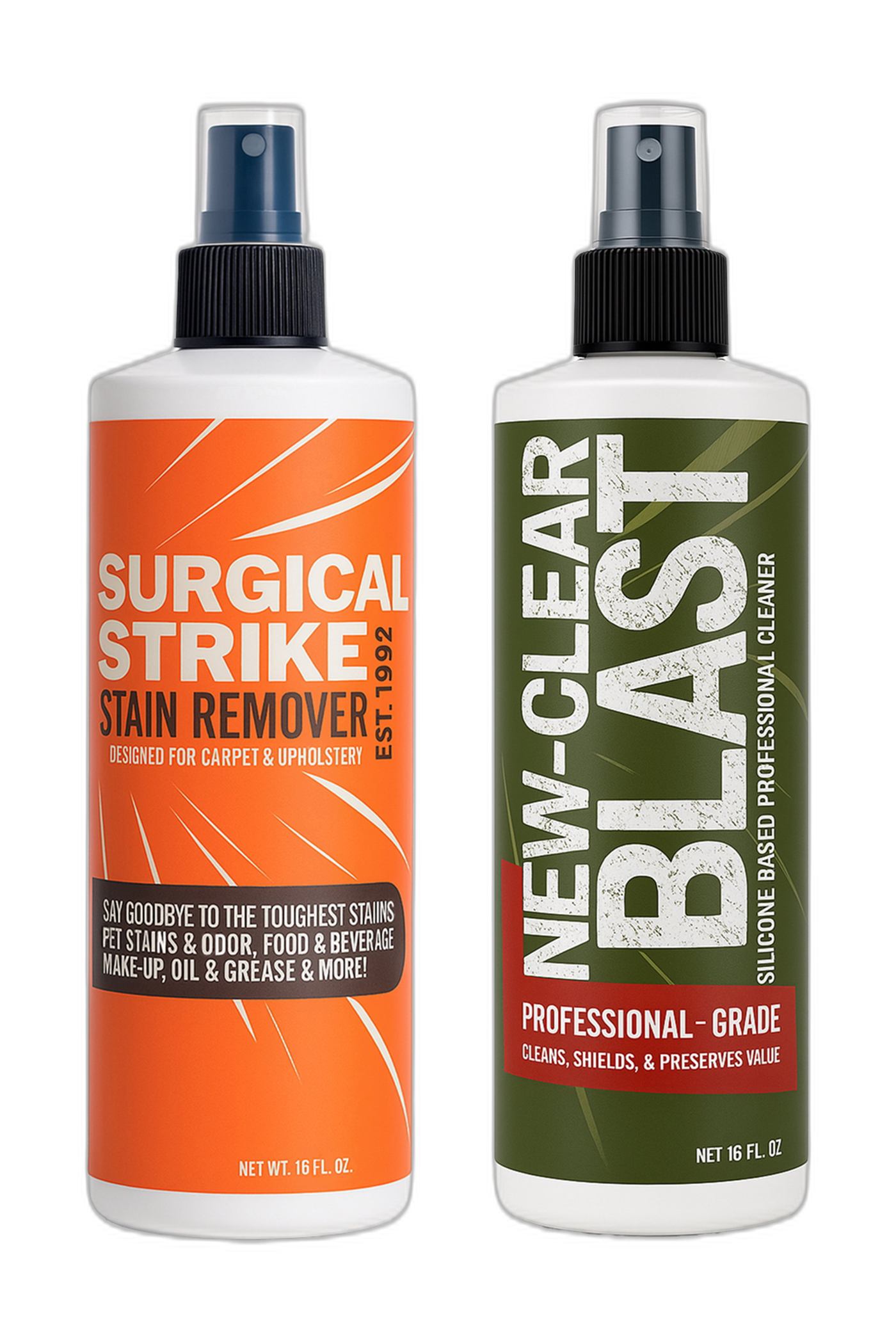
Two formulas. Serious range.
Use Surgical Strike for stains and odor, then New-Clear Blast to clean, shield and preserve hard surfaces.