Key Takeaways
For aerospace maintenance professionals, understanding the landscape of aircraft interior cleaning solutions is essential for operational success. Here are the key points to consider:
- Aircraft interior cleaning standards are evolving, driven by heightened health concerns and new environmental mandates that prioritize passenger and crew well-being.
- Selecting eco-friendly, non-toxic cleaning solutions is crucial for passenger safety, while also supporting the preservation of sensitive cabin materials.
- Effective cleaning protocols consistently reduce contamination, help maintain high hygiene standards, and contribute to overall operational efficiency in high-traffic aircraft environments.
- Specialized chemistries are formulated to support thorough cleaning and surface preparation without compromising the integrity of complex aircraft components or surfaces.
Evolving Standards for Aircraft Cabin Hygiene
In recent years, the airline industry has seen a significant shift in cabin cleaning standards, largely in response to increased passenger awareness and concerns about health. The focus has moved beyond simple aesthetics to encompass comprehensive hygiene protocols that address microbial contamination and allergen reduction. This evolution reflects a deeper understanding of how the cabin environment impacts traveler confidence and well-being.
Maintaining strict hygiene is a fundamental requirement for the aviation industry. Regulatory bodies like the FAA provide guidance that helps airlines establish effective cleaning programs to protect public health. These standards are not just about compliance; they are integral to building trust and ensuring the safety of both passengers and crew. Consistent and thorough cleaning practices, including the disinfection of high-touch surfaces, are central to these efforts.
A well-defined cleaning regimen also directly contributes to a more pleasant cabin experience. Regular and effective cleaning helps with allergen reduction and odor control, addressing common passenger complaints. By implementing protocols that systematically remove contaminants and residues, airlines can help maintain a fresh and clean environment on every flight, which supports brand reputation and customer satisfaction.
Addressing Contamination and Material Integrity
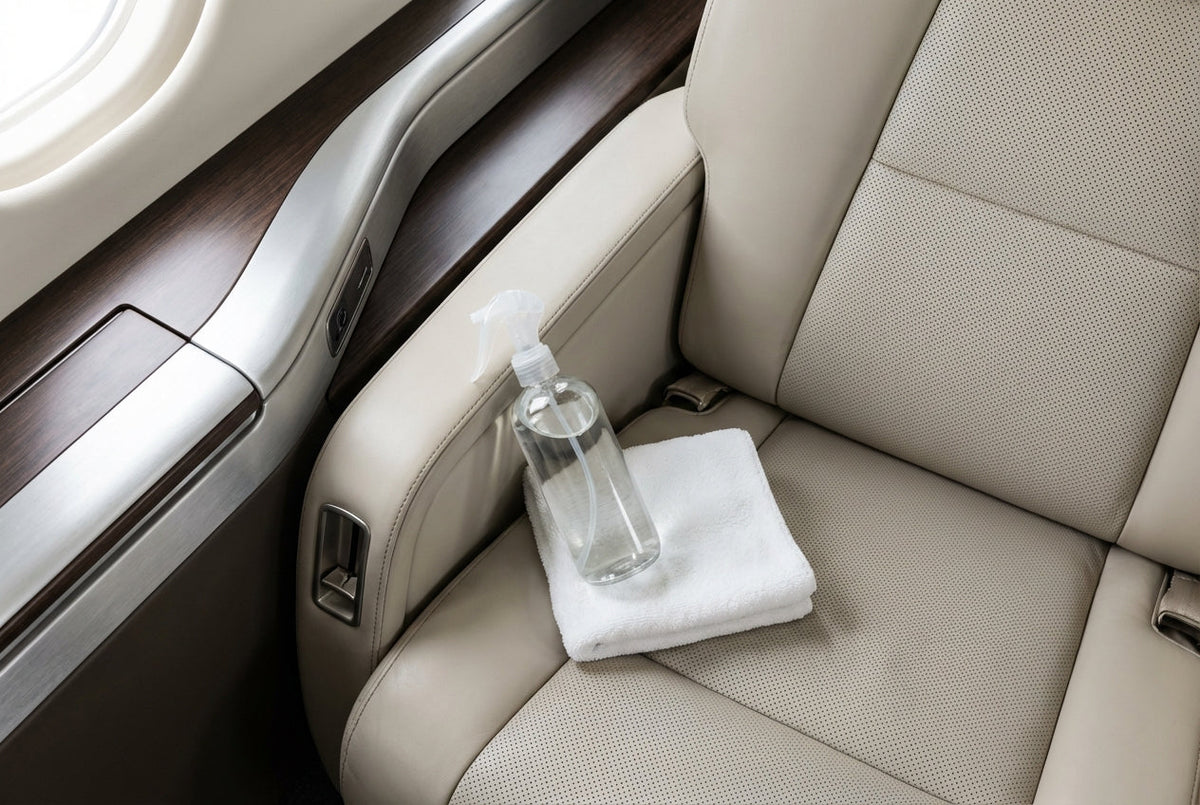
Aircraft interiors are high-traffic environments exposed to a wide variety of contaminants. These range from common grime, food residues, and oils to biological agents that can pose health risks. Effectively managing these diverse soils requires cleaning solutions that can break down contaminants without causing harm to the underlying surfaces. High-touch areas such as tray tables, armrests, and lavatories demand particular attention to prevent the buildup of residues.
The use of improper cleaning methods or harsh chemicals presents a significant risk to material integrity. Many aircraft interior components are made from specialized plastics, composites, fabrics, and metals that can be damaged by aggressive solvents or abrasive cleaners. Such damage can lead to discoloration, cracking, or degradation, compromising the durability and appearance of the cabin and potentially leading to costly repairs or component replacement.
To mitigate these risks, maintenance teams should select solutions specifically designed for high-use environments where material compatibility is a priority. The right cleaning chemistry helps maintain the quality and extend the lifespan of interior surfaces. Following manufacturer recommendations and FAA guidance on cleaning procedures is a critical step in preserving the value and safety of the aircraft's interior.
The Role of Eco-Friendly Chemistries in Aviation
The broader transportation sector is increasingly adopting eco-friendly cleaning solutions to reduce its environmental impact. This trend is particularly relevant in aviation, where sustainability goals and corporate responsibility are becoming more important. Eco-friendly chemistries are formulated to be biodegradable and have a lower environmental footprint, aligning with the industry's long-term objectives for sustainable operations.
Beyond environmental benefits, non-toxic cleaners are preferred for enhancing the safety of both passengers and maintenance crews. Formulations that are free from harsh solvents and volatile organic compounds (VOCs) create a healthier cabin environment during and after cleaning. This is especially important in the enclosed space of an aircraft, where air quality is a primary concern. Using such products helps minimize exposure to potentially irritating chemicals.
Specialized chemistries can deliver effective cleaning performance while adhering to these important safety and sustainability goals. For example, a multi-surface cleaner like New-Clear Blast can be used as part of a general cleaning protocol, while a targeted solution like Surgical Strike can help address tougher challenges like stains and heavy grease. Selecting the right products allows maintenance teams to meet rigorous hygiene standards without compromising on safety or environmental responsibility.
Failure Modes or Operational Risks
Inadequate cabin cleaning can lead to significant operational risks, with the most serious being the potential for pathogen transmission. An ineffective cleaning protocol can leave behind microbial contaminants on surfaces, posing a health risk to passengers and crew. This not only has public health implications but can also damage an airline's reputation and lead to a loss of customer confidence.
Another major risk stems from the use of incompatible cleaning agents on sensitive aircraft materials. Harsh chemicals can cause irreversible damage to plastics, upholstery, and electronic displays, resulting in expensive and time-consuming repairs. Over time, this material degradation can affect the cabin's aesthetic appeal and even its structural integrity, potentially impacting airworthiness. Careful selection of cleaning products is therefore not just a matter of cleanliness but also of asset preservation.
Furthermore, residue buildup from incomplete or ineffective cleaning processes can create its own set of problems. Sticky or hazy films left behind by some cleaners can attract more dirt, making subsequent cleaning more difficult. This residue can also accelerate the wear and tear of cabin components or interfere with the functionality of mechanisms like seat recliners and tray table latches, leading to maintenance issues and a diminished passenger experience.
Mechanism-to-Outcome Map: Cleaning Chemistry and Surface Performance
Achieving a clean and well-maintained aircraft interior depends on understanding the relationship between cleaning mechanisms and their outcomes. A systematic approach ensures consistent results and preserves the longevity of cabin components.
- Mechanism: Specialized Chemistry -> Outcome: Effective Contaminant Removal. The use of chemistry formulated for specific soils, such as oils or biological residues, allows for their effective removal without damaging sensitive aircraft materials. This approach ensures that Special surfaces are cleaned properly, supporting material integrity and appearance.
- Mechanism: Surface Conditions -> Outcome: Material Preservation. By choosing cleaners that are compatible with cabin materials, maintenance teams can help preserve their condition and appearance. This reduces the need for premature replacements and helps control long-term maintenance costs.
- Mechanism: Process Steps -> Outcome: Consistent Hygiene Standards. Adhering to defined cleaning protocols, including proper application, dwell time, and rinsing, ensures the consistent achievement of hygiene targets. Well-documented processes are key to operational efficiency and predictable results across an entire fleet.
Selection Checklist for Aircraft Interior Cleaning Solutions
When procuring aircraft interior cleaning solutions, maintenance managers and procurement teams should evaluate products against a clear set of criteria. This checklist can help guide the selection process to ensure that chosen products are safe, effective, and compliant.
- Material Compatibility: The product must be verified as compatible with the wide range of materials found in aircraft interiors, including plastics, fabrics, metals, and composites. This prevents unintended damage and supports component longevity.
- Non-toxic and Eco-Friendly Formulation: Preference should be given to formulations that are non-toxic and eco-friendly. This supports corporate environmental goals and enhances safety for both cleaning crews and passengers.
- Effectiveness on Relevant Soils: The solution should be proven to effectively remove a broad range of soils commonly found in aircraft cabins, including grease, grime, food spills, and other passenger-related residues.
- Compliance with Industry Guidelines: Products should align with aviation industry guidelines for cabin hygiene and material care. Adherence to recommendations from bodies like the FAA helps ensure that cleaning procedures are both safe and effective.
Regulatory, Safety, or Compliance Considerations
The Federal Aviation Administration (FAA) provides important guidance for aircraft cabin cleaning and disinfection to help maintain public health. While often framed as recommendations, this guidance establishes a baseline for best practices that many airlines incorporate into their standard operating procedures. Staying informed about this guidance is essential for compliance and for running a safe operation.
Evolving public health concerns, especially those related to airborne pathogens, continue to drive changes in cleaning frequency, methods, and the types of products used. The industry has become more proactive in adapting its protocols to address these new challenges, with an increased emphasis on high-touch surfaces and more rigorous cleaning schedules. This dynamic regulatory and public health landscape requires maintenance teams to be adaptable and informed.
Finally, compliance with material compatibility standards is a critical aspect of safety and airworthiness. Cleaning procedures must not negatively impact the integrity or functionality of aircraft interior components. This includes everything from seat fabrics to the plastics used in window shades and overhead bins. Documenting the use of approved, compatible cleaning agents is an important part of a comprehensive maintenance and compliance strategy.
Clean and prep surfaces with CG Chemicals
If you are dealing with buildup, residues, or tough contamination before maintenance or finishing work, CG Chemicals offers practical cleaning solutions for high-use environments. Explore New-Clear Blast and Surgical Strike based on your surface and soil type.
- Use with adequate ventilation.
- Avoid contact with eyes and prolonged skin contact.
- Keep out of reach of children.
- Follow label directions.
Sources
- https://aviationweek.com/mro-network/cabin-cleaning-standards-evolving-amid-health-concerns
- https://www.faa.gov/about/office_org/headquarters_offices/avs/offices/afx/afs/afs600/afs620/media/Cabin_Cleaning_Guidance_for_Industry_COVID-19.pdf
- https://www.cleaningandmaintenance.com/eco-friendly-cleaning-solutions-for-transportation/
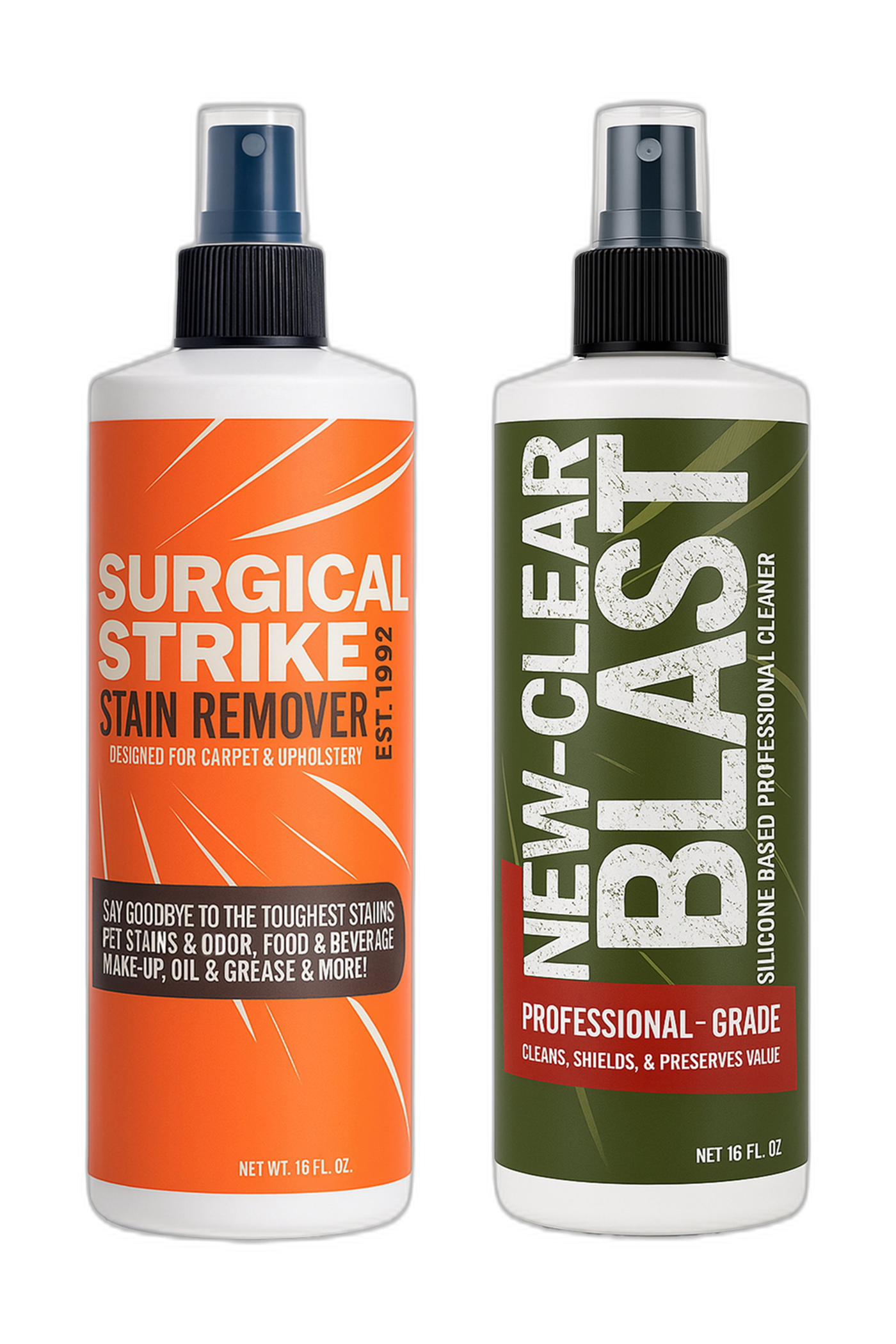
Two formulas. Serious range.
Use Surgical Strike for stains and odor, then New-Clear Blast to clean, shield and preserve hard surfaces.