In the food processing industry, cleaning protocols are fundamental to product safety, operational uptime, and brand reputation. However, conventional methods often consume significant resources and can contribute to the premature degradation of valuable equipment. A shift towards sustainable food processing equipment cleaning offers a path to balance stringent hygiene standards with environmental responsibility and long-term asset preservation. This approach focuses on optimizing resource use, selecting appropriate chemistries, and implementing protocols that protect both the product and the machinery.
Key Takeaways
For facility managers and procurement teams looking to implement more sustainable sanitation practices, several key strategies can deliver significant results. These takeaways focus on practical adjustments that reduce waste, conserve resources, and support equipment longevity without compromising hygiene standards. Integrating these methods into daily protocols can lead to measurable improvements in both environmental impact and operational efficiency.
- Employ dry pickup methods before any wet cleaning to substantially reduce water consumption and the volume of wastewater that requires treatment.
- Utilize warm water rinses under 120°F (48.9°C) to prevent the adhesion of protein-based soils and optimize the use of thermal energy.
- Implement high-efficiency spray nozzles to conserve water and chemical agents during cleaning and rinsing processes, ensuring targeted application.
- Select alkaline detergents for effective protein soil removal, as they convert proteins into soluble forms without precipitating residues on equipment surfaces.
- Adopt biodegradable cleaning agents to align with environmental standards, reducing the facility's ecological impact and supporting corporate sustainability goals.
Addressing Operational Risks: Contamination and Equipment Degradation
In food processing, the primary goal of cleaning is to eliminate soils that could harbor pathogens and cause cross-contamination. However, the methods used to achieve this can introduce their own set of operational risks. Inadequate cleaning can leave behind biofilms and organic matter, creating a persistent source of recontamination that compromises food safety.
Conversely, overly aggressive cleaning strategies pose a threat to the equipment itself. The use of harsh chemical agents, incompatible detergents, or excessive water pressure can lead to corrosion, erosion, and premature wear of stainless steel and other materials. This degradation not only results in costly repairs and replacements but can also create microscopic crevices where contaminants can hide, making future cleaning cycles less effective.
Improperly executed protocols can also be counterproductive. For instance, using water that is too hot can cause certain soils, like proteins, to denature and adhere more firmly to surfaces, making them more difficult to remove. Inefficient rinsing techniques can also leave behind chemical residues, which present a direct risk to food quality and consumer safety. A balanced, sustainable approach mitigates these risks by matching the cleaning method to the soil type and equipment material, ensuring both cleanliness and integrity.
Mechanism-to-Outcome: How Cleaning Chemistry Protects Equipment and Product
The effectiveness of any sanitation program hinges on the scientific principles behind the cleaning chemistry. Understanding how different agents interact with soils and surfaces is key to protecting both product quality and equipment longevity. The goal is to select a chemistry that effectively removes the target soil without harming the underlying material or leaving harmful residues.
Alkaline detergents, for example, are highly effective against protein and fat-based soils common in food processing. They work by saponifying fats and breaking down proteins into water-soluble forms, which allows them to be rinsed away easily. This process prevents protein precipitation and the formation of stubborn residues that can build up over time. Effective general cleaning solutions are formulated based on these principles to address specific contamination challenges.
Water temperature is another critical factor. Rinsing with water below 120°F (48.9°C) is crucial for preventing protein soils from setting on surfaces. For fatty or greasy soils, using water that is approximately 10°F above the fat's melting point helps to emulsify and remove them efficiently without wasting energy on excessive heating. This controlled use of water maintains hygiene while conserving resources. Furthermore, the adoption of biodegradable cleaners supports environmental goals by ensuring that cleaning agents break down into natural components, minimizing their impact on local waterways and ecosystems.
Integrating Dry Pickup Protocols for Reduced Resource Use
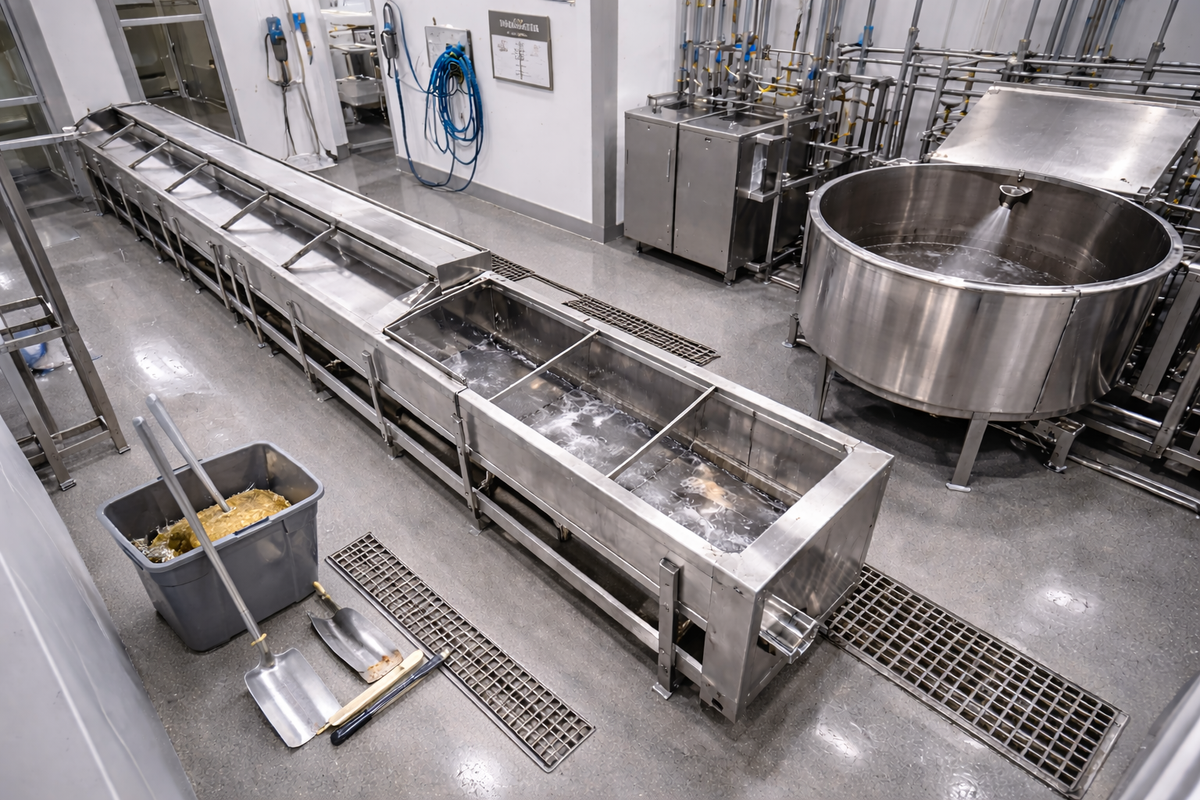
A foundational step in sustainable sanitation is to remove as much solid waste and gross soil as possible before introducing water or chemical agents. Integrating dry pickup methods as the first phase of the cleaning process can dramatically reduce overall resource consumption and improve the efficiency of subsequent wet cleaning stages. This involves using tools like squeegees, brooms, shovels, and vacuum systems to collect and dispose of solid materials.
By removing the bulk of the soil load without water, facilities can significantly lower their water usage and the volume of effluent sent to wastewater treatment. This pre-cleaning step reduces the biological and chemical oxygen demand of the wastewater, which can lower treatment costs and lessen the environmental burden.
Dry soil removal also contributes to a safer and cleaner work environment. It minimizes the risk of spreading contaminants through aerosols, splashing, or runoff that can occur during high-pressure wet cleaning. Additionally, reducing the reliance on water for initial cleaning helps protect sensitive equipment components, such as electronics and motors, from unnecessary moisture exposure, supporting asset longevity. This practice is especially valuable in Manufacturing environments where diverse equipment types are present.
Optimizing Water Use with Advanced Rinsing Techniques
Rinsing is an essential step to remove both loosened soils and residual cleaning agents, but it can be one of the most water-intensive parts of the sanitation process. Optimizing rinsing techniques through modern technology and strategic protocols can yield substantial savings in water, energy, and time without compromising the final result.
One of the most effective strategies is the use of high-efficiency spray nozzles. These components are engineered to produce an optimal spray pattern and droplet size, ensuring comprehensive surface coverage with minimal water volume. This targeted approach reduces both water and chemical consumption during rinsing cycles. The right nozzle can deliver the necessary mechanical action to dislodge residues while preventing overspray and waste.
Temperature control remains critical during the rinsing phase. As noted, maintaining rinse water temperatures below 120°F (48.9°C) is essential for preventing protein soils from baking onto equipment surfaces, which would necessitate re-cleaning. By combining optimized nozzle design with controlled water temperature and pressure, facilities can ensure effective removal of all residues. These controlled parameters also help to minimize equipment downtime by accelerating the cleaning and rinsing process, allowing for a quicker return to production.
The Role of Biodegradable Cleaners in Industrial Hygiene
The selection of cleaning chemistries is a cornerstone of any sustainable sanitation program. Biodegradable cleaners are formulated to break down into simpler, non-harmful components through natural processes, significantly reducing their environmental footprint compared to persistent chemical agents. This aligns with a growing industry focus on environmental stewardship and corporate responsibility.
Choosing greener cleaners that meet established environmental standards helps facilities comply with guidelines from organizations like the Environmental Protection Agency (EPA). According to the EPA, using products with more positive environmental attributes can reduce pollution and conserve resources. This shift also reduces employee exposure to harsh or persistent chemicals.
It is important to recognize that biodegradability does not imply a compromise in performance. Many modern biodegradable formulations are highly effective at tackling the tough soils found in food processing, including greases, oils, and protein buildup. These chemistries are designed to help remove grime and stains efficiently while supporting a facility's eco-friendly objectives. For facilities looking to implement these practices, products like Surgical Strike are used for degreasing and stain removal, while New-Clear Blast assists with general multi-surface cleaning. Both support maintenance protocols in high-use environments.
Advancing Efficiency with Clean-in-Place (CIP) Systems
For processing facilities with extensive piping, large tanks, and enclosed systems, Clean-in-Place (CIP) technology is indispensable for sanitation. Modern CIP systems are at the forefront of sustainable cleaning, incorporating advanced features that automate processes and optimize resource use. These systems clean interior surfaces of equipment without requiring disassembly, saving significant labor and time.
A key innovation in contemporary CIP systems is the integration of water reuse capabilities. These systems can recover, treat, and reuse the final rinse water from one cycle as the pre-rinse water for the next, drastically cutting overall water consumption. Automated monitoring of cleaning parameters, such as temperature, chemical concentration, and flow rate, ensures that each cycle is performed with precision, using the minimum effective amount of chemicals and energy.
Beyond resource savings, CIP advancements enhance process control and compliance. By reducing the need for manual cleaning, they minimize the risk of equipment damage during disassembly and reassembly. Furthermore, automated systems provide robust data logging and traceability for each cleaning event. This documentation is critical for validating cleaning processes and demonstrating compliance during regulatory audits.
Regulatory and Compliance Considerations for Sustainable Cleaning
While sustainability is a key driver for modernizing cleaning protocols, all practices must first and foremost adhere to strict regulatory standards designed to ensure food safety. In the United States, the Food and Drug Administration (FDA) sets forth Current Good Manufacturing Practices (CGMPs) that govern sanitation in food processing facilities. Any sustainable initiative must align with or exceed these requirements.
This includes the proper selection and application of sanitizers for all food contact surfaces. While a facility may choose a greener cleaner for general degreasing and soil removal, the final sanitizing step must use an EPA-registered product approved for this purpose. Following label directions for concentration and contact time is non-negotiable.
Adopting sustainable practices can also support compliance with evolving environmental regulations. Choosing greener cleaning products helps meet standards for wastewater discharge and reduces a facility's overall environmental impact, which can be a key performance indicator for corporate responsibility. Thoroughly documenting all cleaning protocols, including the products used and procedures followed, creates a comprehensive record that aids in demonstrating compliance with both food safety and environmental authorities during inspections and audits.
Selection Checklist for Sustainable Cleaning Solutions
For managers tasked with sourcing and implementing sustainable cleaning solutions, a structured evaluation process is essential. This checklist provides a framework for selecting products and methods that align with operational, financial, and environmental goals without compromising food safety standards.
- Evaluate Biodegradability and Environmental Impact: Assess cleaning agents for their ability to break down naturally. Reference standards and guidance from organizations like the EPA to identify products with a lower environmental impact.
- Assess Material Compatibility: Confirm that any proposed cleaning solution is compatible with your existing equipment materials, such as stainless steel, aluminum, plastics, and elastomers, to prevent corrosion, pitting, or degradation.
- Consider Efficacy Against Specific Soils: Match the cleaning agent's chemistry to the predominant soil types in your facility. Alkaline cleaners are typically effective for protein and fat, while acid cleaners may be needed for mineral deposits.
- Review Resource Consumption: Analyze the water and energy requirements associated with the proposed cleaning methods. Consider solutions that work effectively at lower temperatures or with higher-efficiency application equipment.
- Confirm Rinse Performance: Check that each cleaner rinses freely from equipment surfaces and leaves no film before the next step in your process.
Clean and prep surfaces with CG Chemicals
If you are dealing with buildup, residues, or tough soil before maintenance or finishing work, CG Chemicals offers practical cleaning solutions for high-use environments. Explore New-Clear Blast and Surgical Strike based on your surface and soil type.
Important: Use with adequate ventilation. Avoid contact with eyes and prolonged skin contact. Keep out of reach of children. Follow label directions.
Sources
- https://www.commercialfoodsanitation.com/news/sustainable-wet-sanitation-to-reduce-equipment-damage
- https://www.nsf.org/knowledge-library/clean-food-processing-facilities
- https://www.tecpro.com.au/sustainable-food-processing/
- https://ucfoodsafety.ucdavis.edu/sites/g/files/dgvnsk7366/files/inline-files/26501.pdf
- https://www.epa.gov/greener-choices/greener-cleaning-products
- https://www.fortrexsolutions.com/resources/innovations-in-cleaning-and-sanitation-systems-for-food-processing/
- https://www.servicemasterclean.com/clean-blog/industrial-warehouse-cleaning/basics-of-cleaning-your-food-processing-plant/
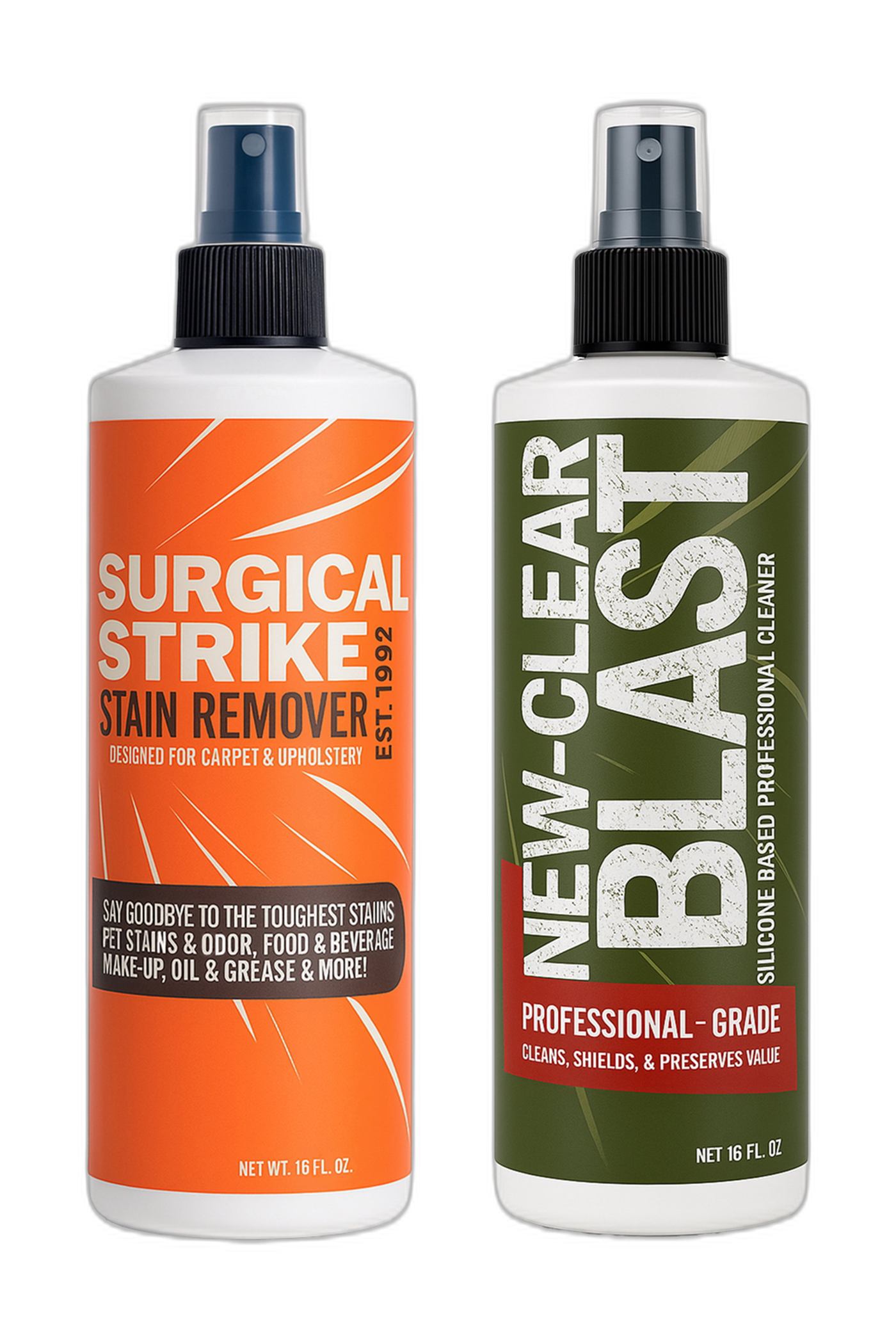
Two formulas. Serious range.
Use Surgical Strike for stains and odor, then New-Clear Blast to clean, shield and preserve hard surfaces.