Key Takeaways
- Effective decontamination protocols are critical for reducing firefighter exposure to carcinogens and hazardous substances.
- Cleaning practices should extend beyond PPE to include fire station facilities and emergency vehicles.
- Choosing appropriate cleaning solutions is essential for both efficacy and user safety.
- Consistent adherence to established cleaning standards supports long-term firefighter health.
The Reality of Exposure: Carcinogens in Fire Service Environments
Firefighters routinely face exposure to a complex mix of hazardous materials and known carcinogens generated during combustion. These substances, including polycyclic aromatic hydrocarbons (PAHs), asbestos, and heavy metals, do not disappear when the fire is extinguished. Instead, they settle on personal protective equipment (PPE), tools, and the skin of first responders.
Contaminants can be absorbed through the skin or inhaled, presenting significant long-term health risks, including an increased risk for cancer. The danger persists long after returning to the station, as residual carcinogens on turnout gear and equipment can contaminate apparatus cabs, living quarters, and personal vehicles. Understanding these exposure pathways is the first step toward developing effective mitigation strategies that protect firefighters both on and off the scene.
Developing Comprehensive Decontamination Protocols
A comprehensive decontamination strategy is a multi-layered process that begins at the incident scene and continues back at the station. These protocols should clearly define procedures for every stage, including on-scene gross decontamination to remove bulk contaminants, as well as more thorough advanced cleaning processes for PPE, tools, and equipment. This systematic approach is essential for preventing the migration of hazardous substances into the station environment.
Effective protocols extend beyond gear to include apparatus and fire station facilities. Consistent application of these procedures reduces the risk of secondary exposures for all personnel. To ensure compliance and effectiveness, departments must commit to regular training and periodic reviews of their cleaning procedures, keeping them aligned with current industry best practices and standards.
Cleaning Practices for Fire Station Facilities and Vehicles
Maintaining clean living and work areas within fire stations is a critical component of exposure reduction. Contaminants brought back from a scene can accumulate on floors, in common areas, and on high-touch surfaces. Similarly, regular cleaning of emergency Vehicles, including cabs, door handles, and equipment compartments, is essential for crew safety and helps prevent cross-contamination between calls.
The selection of appropriate cleaning solutions is vital for maintaining these high-use environments. Effective cleaning agents can help remove grime, soot, and other residues from the various hard surfaces found in Facilities. For general upkeep, products such as New-Clear Blast are designed for multi-surface cleaning. For more demanding tasks involving grease, stains, or odors, solutions like Surgical Strike can be used as part of a comprehensive maintenance protocol.
Failure Modes or Operational Risks: Consequences of Inadequate Cleaning
The consequences of inadequate cleaning protocols are significant and far-reaching. Incomplete decontamination leads to repeated, low-level exposure to hazardous substances, which can accumulate over a firefighter’s career and increase long-term health risks. This represents a critical failure in protecting personnel from occupational hazards.
Beyond direct health impacts, poor cleaning practices create operational risks. Residual contaminants on gear and surfaces can cause cross-contamination within the station, potentially exposing administrative staff and even family members via personal vehicles. Furthermore, failure to remove corrosive residues from soot and chemical spills can degrade equipment materials over time, potentially compromising the integrity of expensive and life-saving PPE. This compromises the overall safety and readiness of the entire operational environment.
Mechanism-to-Outcome Map: The Role of Cleaning in Exposure Reduction
The connection between systematic cleaning and improved health outcomes is direct and mechanical. Proper cleaning protocols work by physically removing particulate matter like soot and dust from surfaces (mechanism). Simultaneously, appropriate cleaning solutions chemically break down oily residues and other contaminants, lifting them from the surface so they can be rinsed away. This two-part action reduces the total contaminant load on gear and in the environment.
This reduction in contaminant load is the primary mechanism that leads to a positive outcome: lower cumulative exposure for firefighters. By systematically diluting and removing hazardous substances from equipment and facilities, departments disrupt the primary pathways of exposure such as skin absorption and inhalation. Maintaining clean environments through these established processes directly supports improved long-term health and ensures operational readiness.
Selection Checklist for Cleaning Solutions in Fire Service Environments
When selecting cleaning solutions for fire service use, departments should consider several key factors to ensure both safety and effectiveness:
- Effectiveness: The solution must be capable of addressing the specific soils found in fire service environments, including soot, grease, and residues from burned materials.
- Surface Compatibility: Cleaners must be suitable for the diverse materials they will be used on, from the synthetics in apparatus cabs to the concrete floors of station bays, without causing damage or degradation.
- Safety Profile: Products with clear safety data sheets and handling guidelines should be prioritized. Always follow label directions, use with adequate ventilation, and avoid prolonged skin contact.
- Regulatory Alignment: While cleaners themselves may not be regulated by fire service standards, their use should support departmental efforts to comply with industry best practices and safety guidelines for maintaining a clean and safe work environment.
Regulatory, Safety, or Compliance Considerations: Adhering to Industry Standards
Adherence to established industry standards is a cornerstone of firefighter safety and health programs. Organizations like the National Fire Protection Association (NFPA) publish standards, such as NFPA 1851, that provide detailed guidance on the selection, care, and maintenance of protective ensembles. These standards are critical resources for developing effective cleaning and decontamination protocols.
Following these guidelines helps ensure that cleaning procedures are effective at removing contaminants without compromising the protective qualities of the gear. Proper cleaning supports the longevity and performance of PPE. All fire service personnel involved in decontamination efforts must receive regular training on these standards to maintain compliance and promote a culture of safety throughout the department.
Clean and prep surfaces with CG Chemicals
If you are dealing with buildup, residues, or tough contamination before maintenance or finishing work in fire service facilities or on vehicles, CG Chemicals offers practical cleaning solutions for high-use environments. Explore New-Clear Blast and Surgical Strike based on your surface and soil type.
Sources
- https://www.nfpa.org/education-and-research/home/research/firefighter-health-safety
- https://www.firerescue1.com/ppe/articles/the-importance-of-proper-ppe-cleaning-and-maintenance-93Y0G7JtA4v28eO9/
- https://www.safearmy.com/blogs/news/firefighter-ppe-cleaning-best-practices
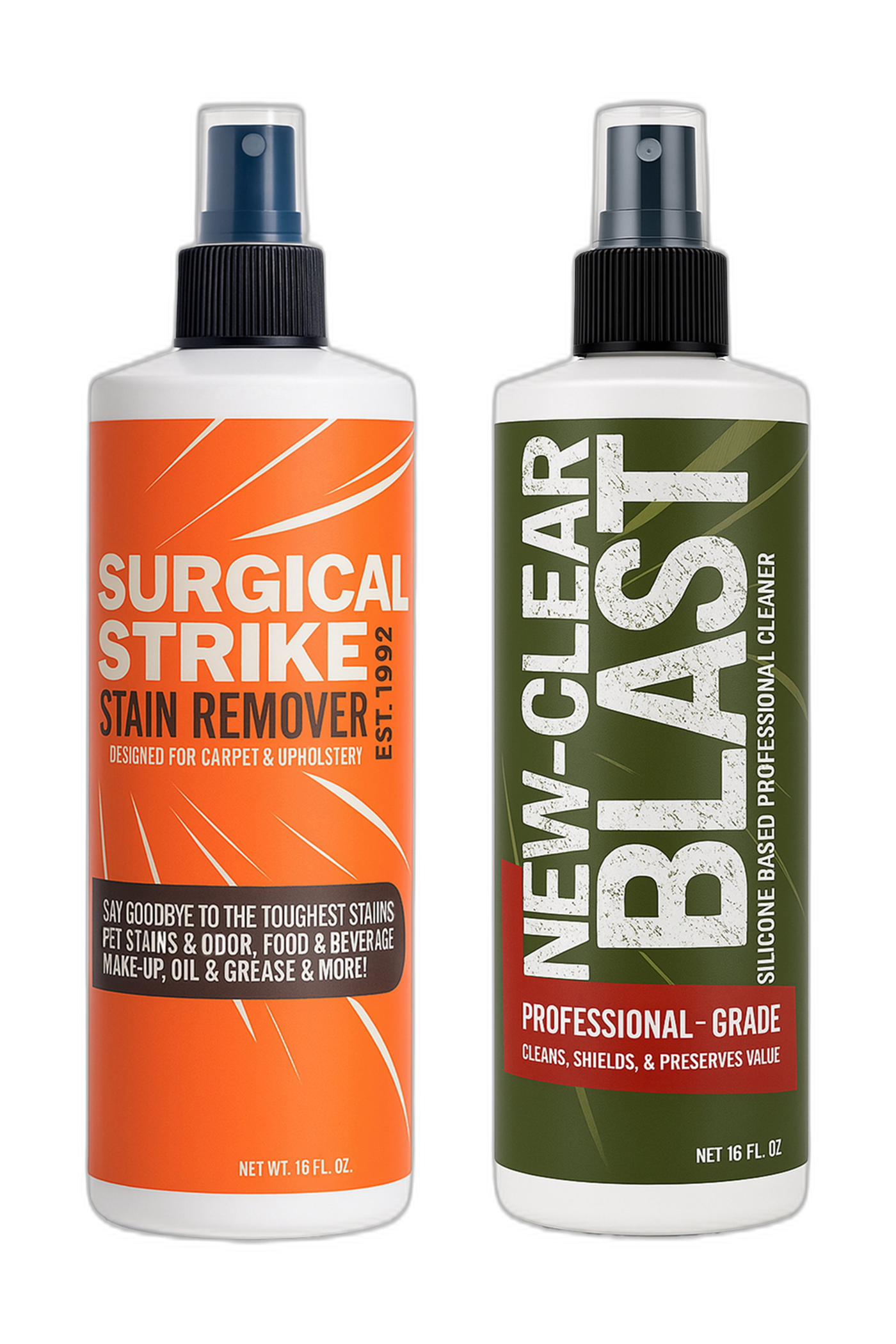
Two formulas. Serious range.
Use Surgical Strike for stains and odor, then New-Clear Blast to clean, shield and preserve hard surfaces.