Key Takeaways
Maintaining petrochemical facilities requires a disciplined approach to cleaning that prioritizes safety, compliance, and operational uptime. The following points summarize the essential considerations for any effective maintenance program in this demanding industry.
- Effective cleaning in petrochemical facilities demands strict adherence to safety and regulatory guidelines established by bodies like OSHA.
- Specialized chemistries and application methods are necessary to address the diverse, and often hazardous, contaminants found in these environments.
- Proactive cleaning supports equipment integrity, helps prevent costly failures, and assists with operational efficiency.
- Selecting appropriate cleaning solutions requires careful consideration of material compatibility to protect asset longevity and environmental impact to meet regulatory standards.
The Unique Challenges of Petrochemical Facility Cleaning
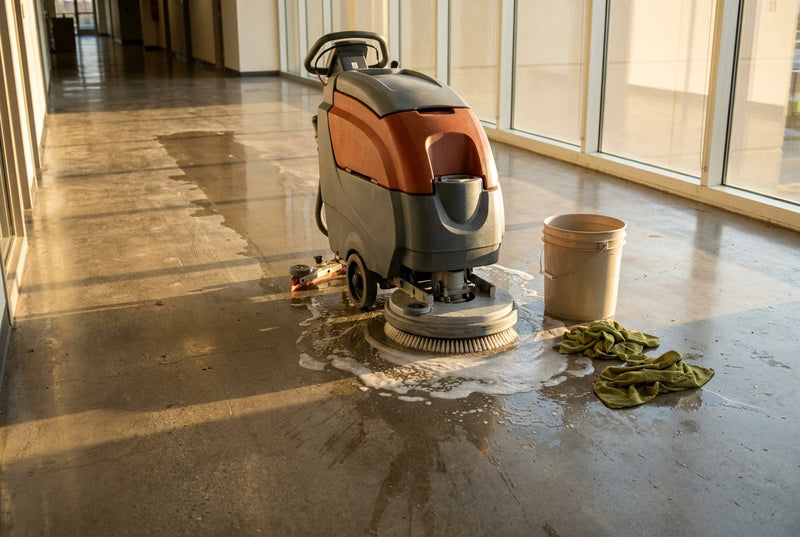
Petrochemical facilities present some of the most complex cleaning challenges in the industrial sector. Operations regularly handle a wide range of difficult-to-remove substances, including heavy hydrocarbons, polymers, resins, and sulfur compounds. These contaminants require highly specific cleaning approaches, as a general-purpose cleaner is often insufficient.
The operational environment itself adds another layer of complexity. Many processes involve high temperatures, extreme pressures, and the constant presence of flammable or corrosive materials. These conditions escalate safety requirements and limit the types of cleaning methods and chemistries that can be safely deployed. Furthermore, equipment like reactors, heat exchangers, and distillation columns feature intricate geometries and sensitive materials that can be damaged by improper cleaning techniques.
Ultimately, maintenance in these environments is critical for preventing unscheduled downtime, which can lead to significant production losses and safety risks. A planned and well-executed cleaning strategy is a fundamental part of a facility's overall reliability and inspection program.
Regulatory Compliance and Safety Protocols
In petrochemical environments, cleaning is inseparable from safety and regulatory compliance. All cleaning operations must strictly adhere to Occupational Safety and Health Administration (OSHA) guidelines for handling hazardous chemicals. These regulations are designed to protect worker safety, prevent chemical exposure, and mitigate the risk of fires, explosions, or other catastrophic incidents.
Industry bodies like the American Petroleum Institute (API) also provide recommended practices that inform maintenance and inspection schedules. These frameworks help facilities determine appropriate cleaning frequencies and methods to ensure asset reliability and integrity over the long term. Following these standards is a key component of a comprehensive risk management program.
Environmental regulations also play a significant role, governing the use and disposal of cleaning solutions and the waste they generate. Facilities must implement processes that minimize ecological impact, often requiring chemistries that are biodegradable or treatable through existing wastewater systems. At the procedural level, robust safety protocols are non-negotiable. This includes the use of proper personal protective equipment (PPE), ensuring adequate ventilation in confined spaces, and comprehensive training for all personnel involved.
Always consult product labels and Safety Data Sheets for specific handling instructions. Use with adequate ventilation. Avoid contact with eyes and prolonged skin contact. Keep out of reach of children. Follow label directions.
Failure Modes and Operational Risks in Petrochemical Plants
The consequences of inadequate cleaning in a petrochemical plant extend far beyond aesthetics. When contaminants are not properly removed, they can directly contribute to equipment failure and significant operational risks. One of the primary failure modes is accelerated corrosion. Residue buildup can trap moisture and corrosive agents against metal surfaces, compromising the structural integrity of pipes, vessels, and tanks.
Operational efficiency is also at stake. In heat exchangers, even a thin layer of fouling or contamination can act as an insulator, drastically reducing thermal efficiency. This forces systems to consume more energy to achieve the same temperature outputs, leading to higher operational costs and increased strain on equipment.
Furthermore, accumulated residues can clog pipelines, valves, and instrumentation, which can cause equipment malfunctions, process upsets, or even emergency shutdowns. Beyond the financial impact, persistent contamination in Manufacturing work zones creates unsafe conditions and elevates the risk of accidental releases of hazardous materials, posing a threat to both personnel and the environment.
Mechanism to Outcome: Principles of Effective Industrial Cleaning
Effective industrial cleaning is a scientific process that matches a specific mechanism to a desired outcome. The success of any cleaning operation depends on selecting a chemistry that can chemically or physically interact with the target contaminant. For example, a solvent-based degreaser works by dissolving hydrocarbons, while a caustic cleaner might saponify oily residues. Understanding this interaction is the first step toward efficient removal.
The condition of the surface itself is another critical factor. The material type, its texture, and its history of exposure to various chemicals all dictate which cleaning methods are appropriate. The goal is to remove the contaminant without causing damage like pitting, cracking, or embrittlement to the underlying substrate. Careful consideration of material compatibility prevents the cleaning process from creating a new maintenance problem.
Finally, optimizing process parameters such as solution concentration, contact time, temperature, and mechanical agitation can dramatically enhance cleaning effectiveness. Each of these variables influences how quickly and completely a contaminant is solubilized and removed. A systematic approach ensures that the final outcome is a clean, properly prepared surface ready for inspection, service, or the application of a protective coating.
Strategic Selection of Cleaning Chemistries
Choosing the right cleaning chemistry is a strategic decision that directly impacts safety, efficiency, and cost. The first and most important step is to accurately identify the soil type. Whether dealing with heavy crude oil residues, greases, waxes, or stubborn polymer films, the contaminant's chemical nature will determine which cleaning agent will be most effective.
Once the soil is identified, material compatibility testing is essential. Before full-scale application, the chosen cleaning solution should be tested on a small, representative area of the equipment surface to ensure it does not cause degradation, discoloration, or other damage. This step is crucial for preventing long-term maintenance issues and preserving the integrity of valuable assets.
For maintenance that requires subsequent steps, such as applying industrial coatings or sealants, cleaning solutions must support surface preparation. This means they must effectively remove all residues without leaving behind a film of their own that could interfere with adhesion. Solutions like Surgical Strike are formulated for degreasing and removing tough stains, while a multi-surface cleaner like New-Clear Blast can be used for general cleaning. Considering the environmental profile of the selected agents also helps facilities meet sustainability goals and simplifies waste management.
Best Practices for Equipment and Infrastructure Maintenance
A proactive approach to maintenance, built on a foundation of effective cleaning, is key to reliability in petrochemical facilities. Implementing routine cleaning schedules for critical equipment like heat exchangers, reactors, and storage tanks can extend their operational life and significantly reduce the frequency of costly major overhauls. Regular cleaning helps prevent the accumulation of corrosive deposits and performance-inhibiting foulants.
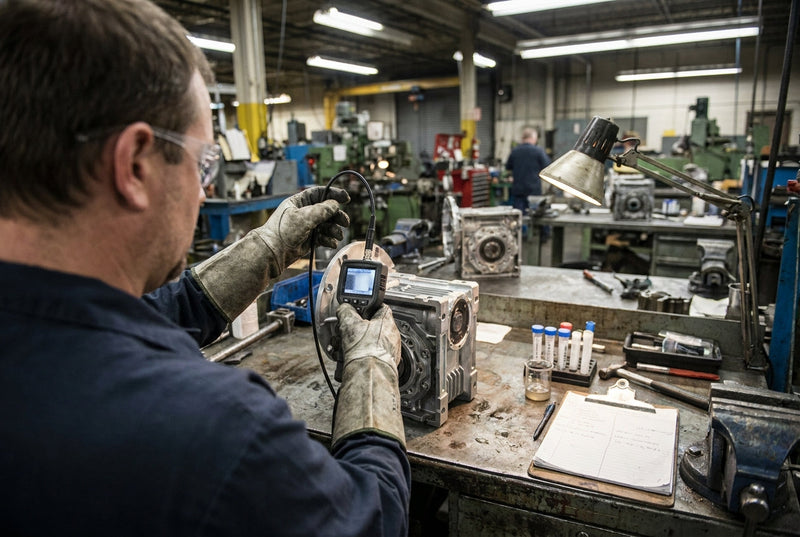
Thorough surface preparation before inspections is another best practice. A properly cleaned surface allows for a more accurate visual and non-destructive assessment of the equipment's condition, making it easier to identify potential issues like stress cracks, pitting, or weld defects before they escalate. After cleaning is complete, post-cleaning verification, whether through visual inspection or analytical methods, confirms the complete removal of contaminants and residues.
Integrating specialized cleaning solutions into comprehensive maintenance strategies improves overall facility reliability and safety. By choosing chemistries tailored to specific contaminants and equipment, teams can achieve better results in less time. For a general overview of use cases, see our Applications list. This strategic approach to cleaning is a core component of a safe and efficient operation that complies with industry standards.
Selection Checklist for Petrochemical Cleaning Solutions
When selecting a cleaning solution for a petrochemical environment, a systematic evaluation ensures the chosen product is safe, effective, and compliant. Use the following checklist as a guide during the procurement and planning process.
- Evaluate Safety Data Sheets (SDS): Before any use, thoroughly review the SDS for each product to understand its chemical hazards, required personal protective equipment (PPE), and emergency response procedures.
- Confirm Material Compatibility: Verify that the chemistry is compatible with all equipment and infrastructure surfaces it will contact, including metals, alloys, gaskets, and seals, to prevent unintended damage.
- Assess Effectiveness Against Contaminants: Ensure the solution is formulated to target the specific soils prevalent in your facility, such as hydrocarbons, polymers, or inorganic scales.
- Consider Application and Rinsing: Evaluate the ease of application (e.g., spray, foam, immersion) and the requirements for rinsing. An efficient process helps minimize equipment downtime and labor costs.
- Review Environmental Impact: Check the disposal requirements and environmental profile of the chemistry to ensure it aligns with your facility's environmental policies and local regulations.
Clean and prep surfaces with CG Chemicals
If you are dealing with buildup, residues, or tough soil before maintenance or finishing work, CG Chemicals offers practical cleaning solutions for high-use environments. Explore New-Clear Blast and Surgical Strike based on your surface and soil type.
Sources
- https://www.osha.gov/chemical-hazards-and-safety
- https://www.api.org/oil-and-natural-gas/wells-to-consumers/oil-and-gas-operations/refining/maintenance-and-inspection
- https://www.aiche.org/resources/publications/ce/chemical-engineering-magazine
- https://www.nace.org/standards/search/all?keyword=cleaning
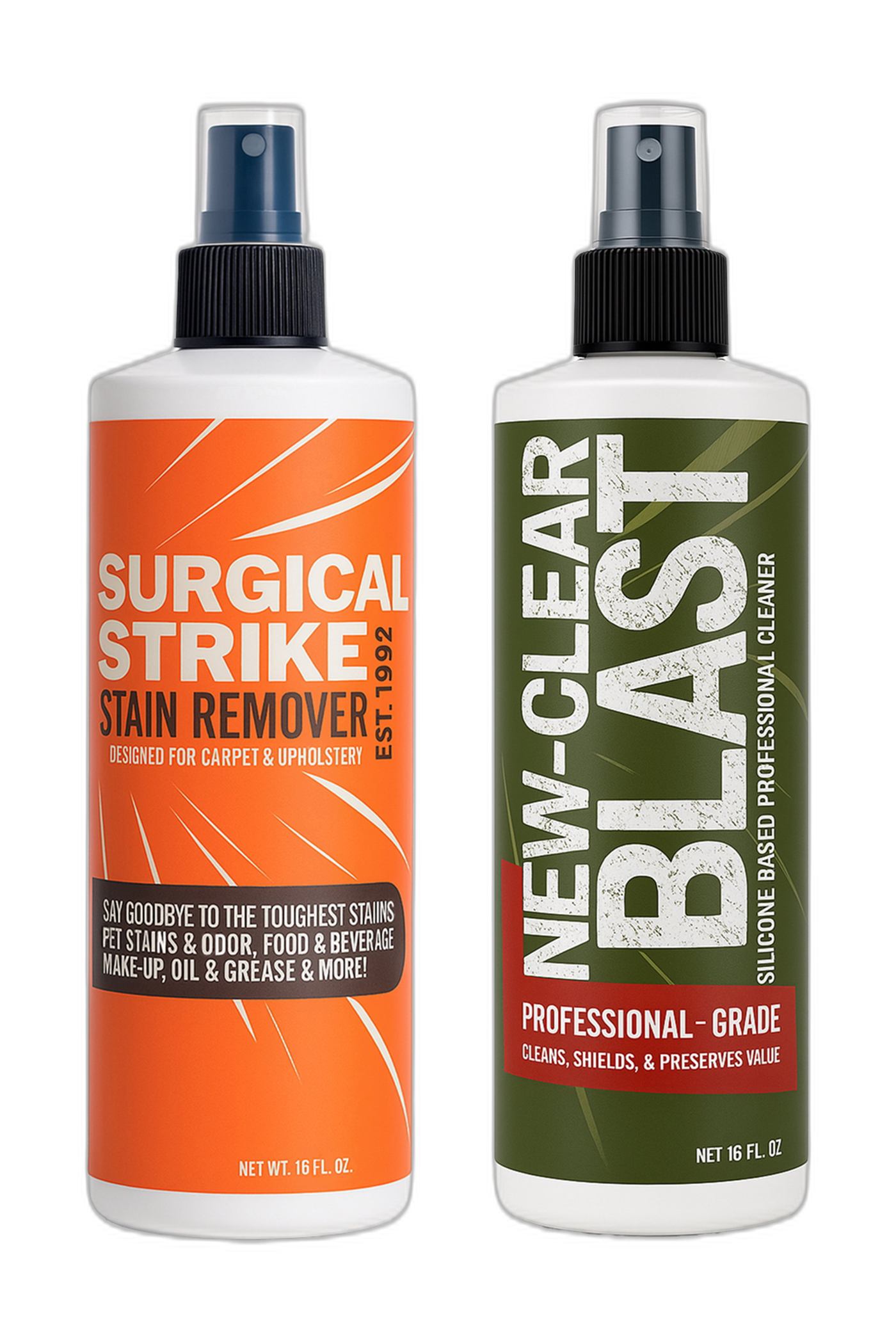
Two formulas. Serious range.
Use Surgical Strike for stains and odor, then New-Clear Blast to clean, shield and preserve hard surfaces.