Key Takeaways
For facility managers and procurement specialists overseeing high-security environments, understanding the connection between cleaning protocols, air quality, and operational integrity is paramount. This summary outlines the essential considerations for maintaining safe and compliant spaces.
- High-security facilities demand cleaning protocols that address both physical security and indoor air quality (IAQ), moving beyond simple sanitation.
- Choosing cleaning solutions requires a careful assessment of their impact on air quality, potential for material contamination, and compatibility with sensitive surfaces.
- Compliance with standards from bodies like the General Services Administration (GSA) for sustainable cleaning or ISO for cleanroom environments is often non-negotiable.
- A proactive approach to cleaning, including risk management and detailed planning, helps mitigate operational failures and protects personnel health.
- CG Chemicals provides cleaning and surface preparation solutions that are designed for use in demanding environments where performance is a key concern.
The Imperative of Advanced Cleaning in High-Security Facilities
In environments like government buildings, data centers, and research laboratories, cleaning is a function of security and operational readiness. Unlike conventional commercial spaces, the stakes are significantly higher. Protocols must be designed not just for cleanliness, but to prevent cross-contamination, protect sensitive equipment, and ensure the integrity of critical operations.
Effective and consistent cleaning routines are fundamental to asset longevity. The accumulation of dust, grime, or chemical residues can degrade surfaces and sensitive electronic components over time. Properly maintained facilities are better prepared for their core functions, reducing the risk of unexpected downtime or equipment failure. Standard cleaning products and methods are often insufficient to meet these stringent demands, necessitating specialized solutions and protocols.
Furthermore, incorporating sustainable cleaning practices, such as those recommended by the GSA for federal buildings, offers dual benefits. These practices help reduce the environmental impact of maintenance operations while contributing to a more comfortable indoor environment for staff and visitors. This alignment of sustainability with performance is a key aspect of modern facility management in secure settings.
Prioritizing Indoor Air Quality (IAQ) and Contamination Control
Maintaining high indoor air quality is a critical objective in sensitive facilities. Poor IAQ can affect the health and concentration of personnel and compromise processes or equipment. Cleaning strategies must be carefully planned to minimize airborne contaminants, including particulate matter and volatile organic compounds (VOCs). The choice of cleaning agents and methods directly influences the chemical composition of the air.
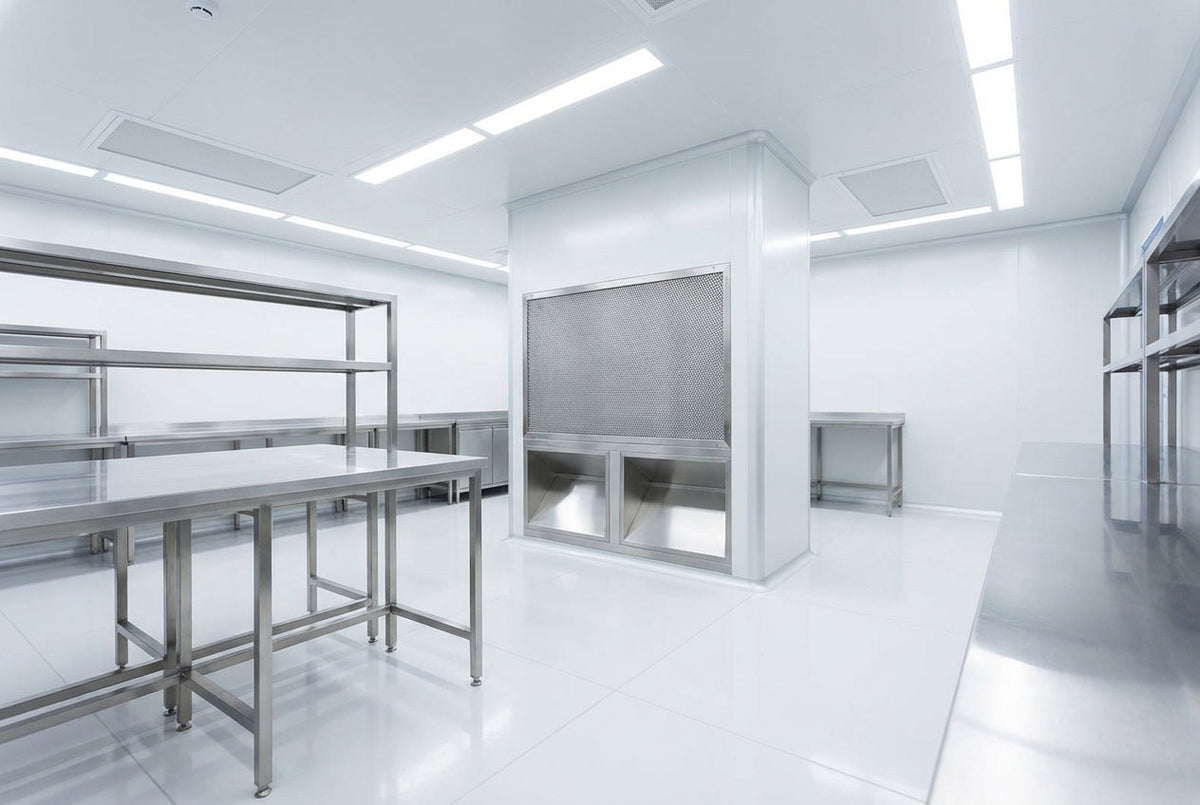
In specialized areas such as research labs or cleanrooms, contamination control is the primary goal. Cleaning protocols in these zones must be precise and rigorous to meet standards like ISO 14644, which sets limits for airborne particulate cleanliness. Failure to adhere to these standards can invalidate research, compromise product quality, or create safety hazards.
The interaction between cleaning agents and a facility's HVAC system is another important consideration. Products that release high levels of VOCs can tax ventilation systems and circulate harmful compounds throughout a building. By selecting low-VOC solutions, facility managers can support better air quality outcomes without introducing new chemical risks. This holistic view of cleaning helps create a safer and more stable operating environment.
Cleaning Chemistry for Sensitive Environments
The selection of cleaning solutions for high-security Facilities requires a focus on chemistry that supports operational goals without introducing new risks. Products with low VOCs and minimal odor are crucial for preserving indoor air quality and preventing distractions or discomfort for personnel. Chemical compatibility is also a key concern; solutions must be effective without damaging specialized materials, sensitive electronics, or high-performance surfaces. Using incompatible chemicals can lead to corrosion, staining, or the formation of unwanted residues.
For general multi-surface cleaning, a product like New-Clear Blast is designed for versatile use. It assists with cleaning various materials and helps prepare surfaces for subsequent processes, leaving behind a protective finish where applicable. Its formulation is suited for environments where both cleanliness and surface appearance are important.
When dealing with challenging soils, such as grease, stubborn stains, or odors, Surgical Strike offers a targeted solution. It is formulated to support the removal of tough soils without leaving behind harsh residues, making it a practical choice for maintenance tasks in demanding operational zones.
Regardless of the product selected, always adhere to safety guidelines. Use cleaning solutions with adequate ventilation to ensure proper air circulation. Avoid contact with eyes and prolonged skin contact by using appropriate personal protective equipment. As with all chemical products, keep them out of reach of children and follow all label directions for proper use.
Failure Modes and Operational Risks of Inadequate Cleaning
The consequences of inadequate cleaning in a high-security facility extend far beyond aesthetics. Insufficient cleaning can lead to the accumulation of dust and other contaminants that can compromise the function of sensitive electronic equipment, from servers to surveillance systems. Over time, this buildup can cause overheating, short circuits, or complete operational failure.
Poor air quality resulting from improper cleaning chemicals or infrequent maintenance can directly impact personnel health, leading to respiratory irritation, allergies, and reduced productivity. A compromised indoor environment can become a significant operational liability. Furthermore, residues left by ineffective cleaning agents can interfere with advanced monitoring systems, obscuring sensor readings or damaging delicate lenses.
In controlled environments governed by standards like ISO 14644, any deviation from strict cleaning protocols can trigger a contamination event. Such an event could compromise months of research, halt production, or violate regulatory compliance, leading to significant financial and reputational damage. Ultimately, a lack of consistent and effective cleaning translates to higher long-term maintenance costs and accelerated degradation of valuable facility assets.
Mechanism-to-Outcome Map: Cleaning Impact on Facility Performance
Understanding the direct link between cleaning actions and facility outcomes is essential for strategic planning. This mechanism-to-outcome map illustrates how specific cleaning practices contribute to overall performance, safety, and security.
-
Mechanism: Implementing sustainable cleaning practices according to GSA guidelines.
Outcome: This leads to a reduced environmental footprint, supports better indoor air quality for occupants, and promotes a more comfortable work environment overall. -
Mechanism: Strict adherence to cleanroom standards such as ISO 14644.
Outcome: The result is minimized particulate contamination, which preserves the integrity of sensitive products or research and supports operational security within controlled zones. -
Mechanism: Consistent use of low-VOC cleaning agents.
Outcome: This practice decreases airborne chemical concentrations and contributes to improved occupant comfort. -
Mechanism: Regular and thorough surface preparation and cleaning.
Outcome: This supports the longevity of building materials and equipment, maintains a professional aesthetic appearance, and reduces surfaces where contaminants can harbor. -
Mechanism: Proactive maintenance cleaning of high-traffic areas.
Outcome: This helps sustain hygiene levels, prevents the accumulation of heavy grime that is difficult to remove, and helps control the spread of contaminants throughout the facility.
Regulatory, Safety, or Compliance Considerations
Operating a high-security facility involves navigating a complex web of regulations and standards where cleaning plays a critical role. For federal facilities, cleaning operations are often subject to General Services Administration (GSA) guidelines, which promote sustainable practices in chemical selection, equipment use, and waste management.
In environments like research laboratories or specialized manufacturing areas, compliance with ISO 14644 is frequently mandatory. These standards dictate stringent protocols for cleaning methods, frequency, and verification to maintain specified levels of air cleanliness. Failure to comply can result in loss of certification and operational shutdowns.
Beyond facility-specific standards, adherence to occupational safety regulations is a universal requirement. This includes proper training for handling cleaning agents, the provision and use of personal protective equipment (PPE), and clear communication of chemical hazards. Managing indoor air quality is another key compliance area, with many regulations aimed at limiting occupant exposure to airborne contaminants and VOCs. Maintaining thorough documentation of cleaning procedures, chemical inventories, and training records is essential for audit readiness and demonstrating a commitment to safety and environmental stewardship.
Selection Checklist for Cleaning Solutions in High-Security Facilities
Choosing the right cleaning solutions is a critical procurement decision. This checklist provides key questions to guide the selection process for high-security and sensitive environments.
- Does the solution align with sustainable procurement guidelines, such as GSA recommendations for green cleaning products?
- Is the solution certified or tested for the specific surfaces and contamination types present in the facility, ensuring it will not cause damage or leave interfering residues?
- Does the product support indoor air quality objectives by having a low-VOC formulation or being odorless, minimizing impact on personnel and sensitive equipment?
- Does the cleaning chemical fit within the facility’s risk management protocols, and does its use contribute positively to overall operational security?
- Are clear instructions provided for safe use, storage, and disposal that meet the facility's stringent safety standards and regulatory requirements?
- Is the product effective and practical for use in high-use Facilities, and is it compatible with existing cleaning equipment and established maintenance processes?
Clean and prep surfaces with CG Chemicals
If you are dealing with buildup, residues, or tough soil before maintenance or finishing work, CG Chemicals offers practical cleaning solutions for high-use environments. Explore New-Clear Blast and Surgical Strike based on your surface and soil type.
Sources
- https://www.facilityexecutive.com/tag/air-quality-management/
- https://www.gsa.gov/policy-regulations/policy/sustainability-policy/green-building-design-and-operations
- https://www.iso.org/standard/84074.html
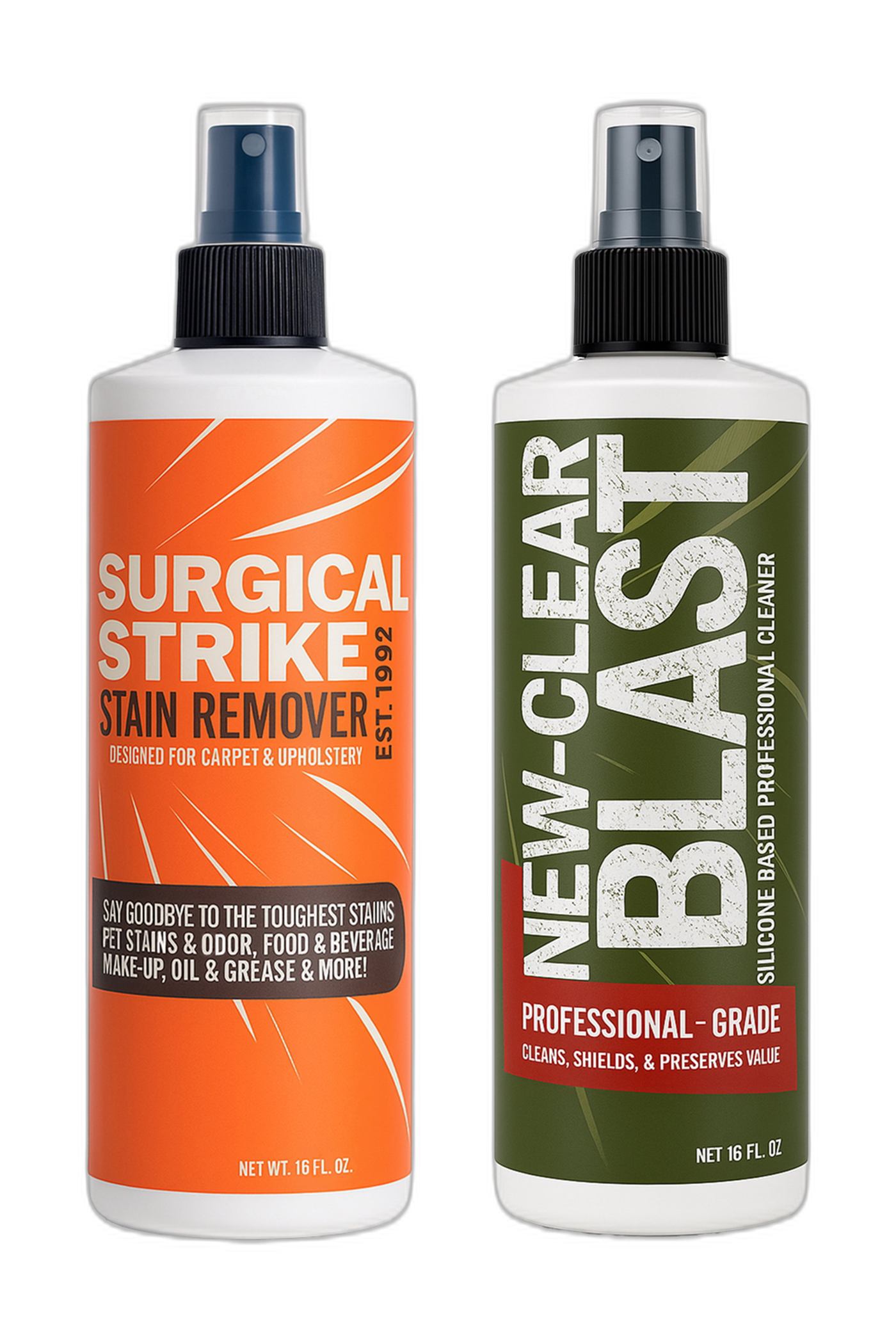
Two formulas. Serious range.
Use Surgical Strike for stains and odor, then New-Clear Blast to clean, shield and preserve hard surfaces.